News

News

Discover the Latest News About OWNIC in Our News and Press Area

How Does an Automatic Frameless Glass Door Transform Modern Spaces?

2026-06-01 0 Leave me a message

Automatic frameless glass doors have become a defining feature of modern architecture, blending aesthetics, functionality, and intelligent automation. This article explores how these systems work, their core components, real-world applications, installation considerations, and maintenance practices. It is designed to help property owners, architects, and facility managers understand how automatic frameless glass doors can improve accessibility, safety, and spatial experience while addressing common concerns such as durability, cost, and operational reliability.

Automatic frameless glass doors


Table of Contents


Introduction

In today’s architectural landscape, transparency, minimalism, and automation define premium design. The automatic frameless glass door represents a fusion of these principles, offering seamless entry systems that eliminate physical barriers while enhancing visual openness. Unlike traditional framed doors, these systems rely on precision engineering and intelligent control mechanisms to deliver smooth, silent, and contactless operation.

Whether used in commercial complexes, hospitals, hotels, or modern residences, these doors have redefined how people interact with built environments.


What Is an Automatic Frameless Glass Door?

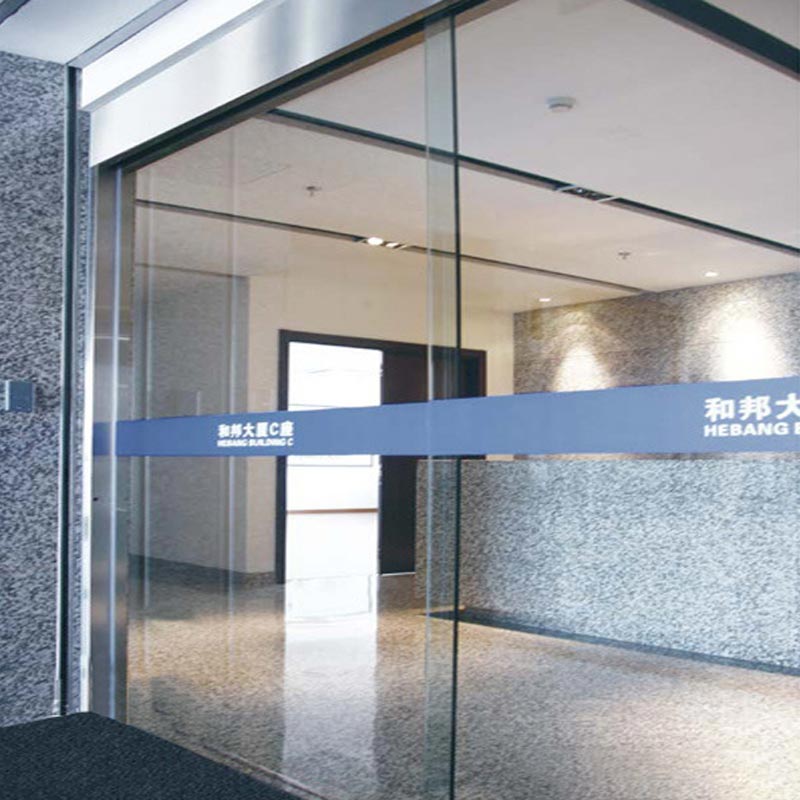
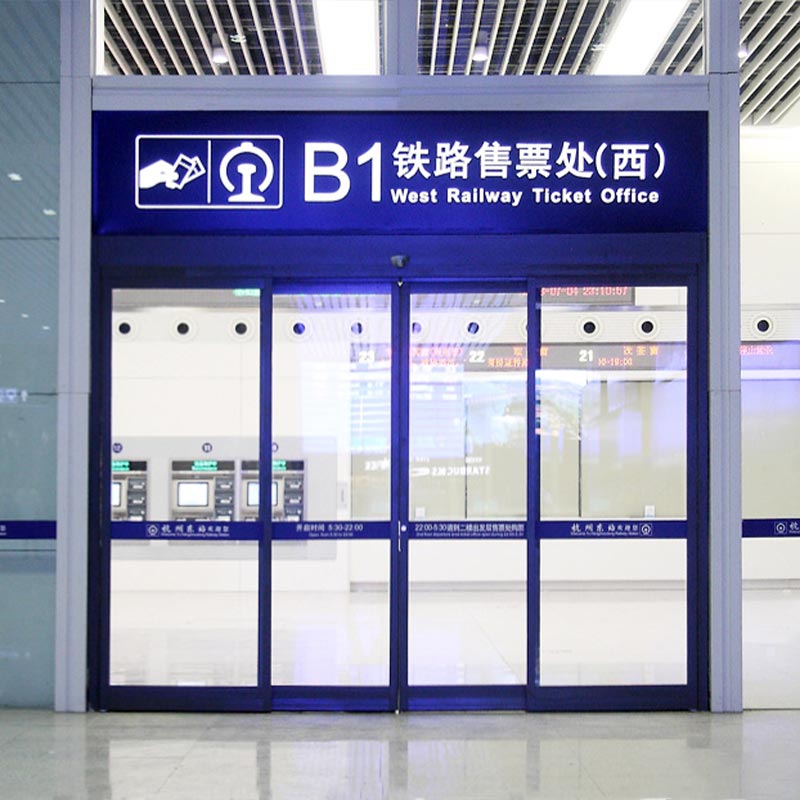
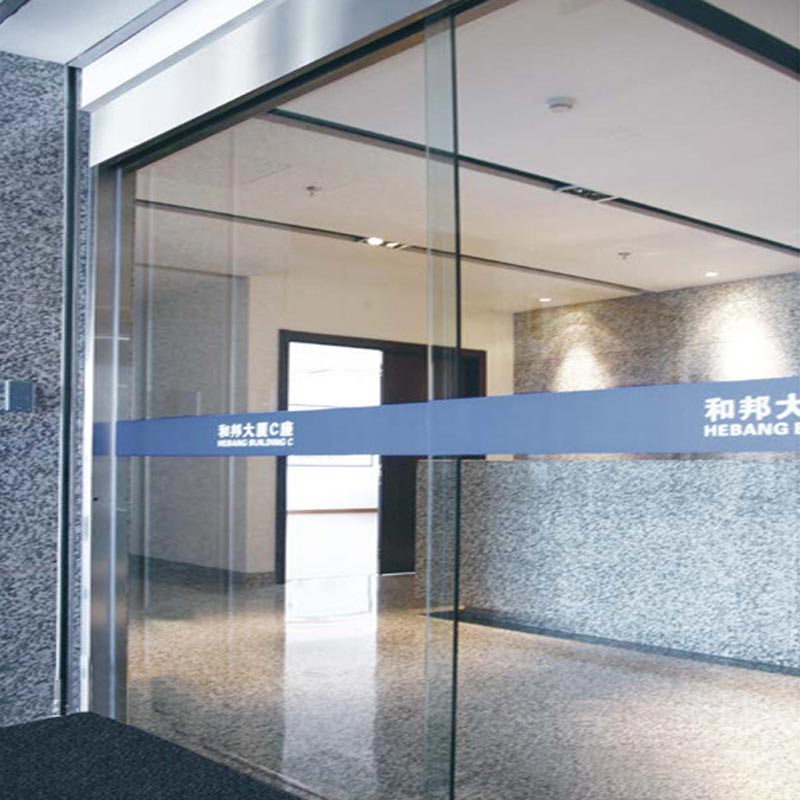
An automatic frameless glass door is a motorized entry system made primarily of tempered or laminated glass without visible metal framing around the panel edges. The system operates using sensors and automatic sliding or swinging mechanisms that open and close the door without manual force.

Its frameless design enhances visibility and elegance, making it a preferred choice for contemporary architecture that prioritizes openness and natural light flow.


How It Works

The operation of an automatic frameless glass door is based on sensor-triggered automation. When a person approaches, motion or infrared sensors detect movement and send a signal to the control system. The motorized unit then activates, sliding or swinging the door open.

  • Sensor detection (infrared, microwave, or motion sensors)
  • Signal transmission to controller
  • Motor activation
  • Door movement via track system
  • Automatic closing after delay timer

This seamless sequence ensures convenience, hygiene, and accessibility, especially in high-traffic environments.


Key Components Explained

The system typically consists of several critical components working together:

Component Function
Tempered Glass Panel Provides structural strength and transparency
Motor Unit Drives the opening and closing mechanism
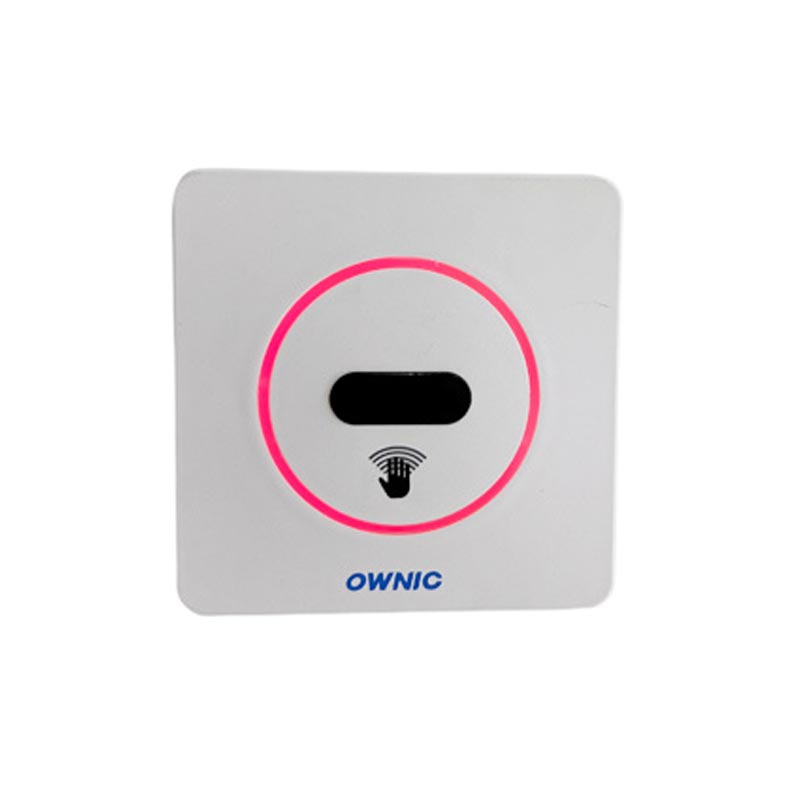
Motion Sensors Detect approaching individuals
Controller System Processes signals and manages operations
Track System Guides door movement smoothly
Safety Sensors Prevent accidents and obstruction collisions

Major Benefits

  • Modern Aesthetic Appeal: Enhances architectural elegance with minimalist design.
  • Improved Accessibility: Ideal for elderly and disabled users.
  • Hygienic Operation: Contactless entry reduces contamination risks.
  • Energy Efficiency: Reduces air leakage in climate-controlled spaces.
  • Space Optimization: Frameless design creates visual openness.
  • Durability: Tempered glass ensures long service life.

Applications Across Industries

Automatic frameless glass doors are widely used across multiple sectors:

  • Shopping malls and retail stores
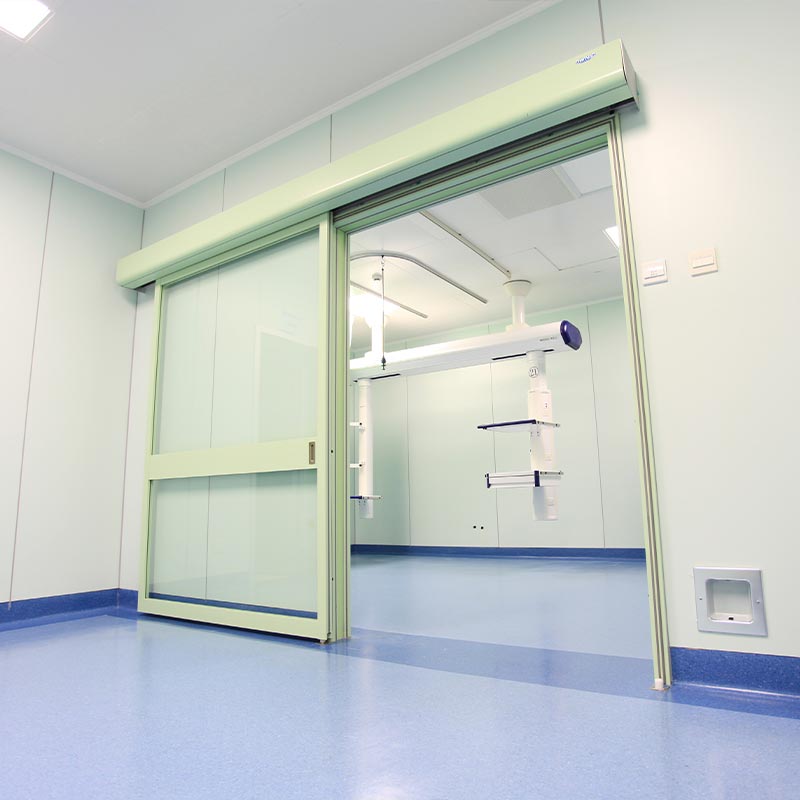
  • Hospitals and healthcare facilities
  • Hotels and hospitality venues
  • Office buildings and corporate lobbies
  • Luxury residential buildings
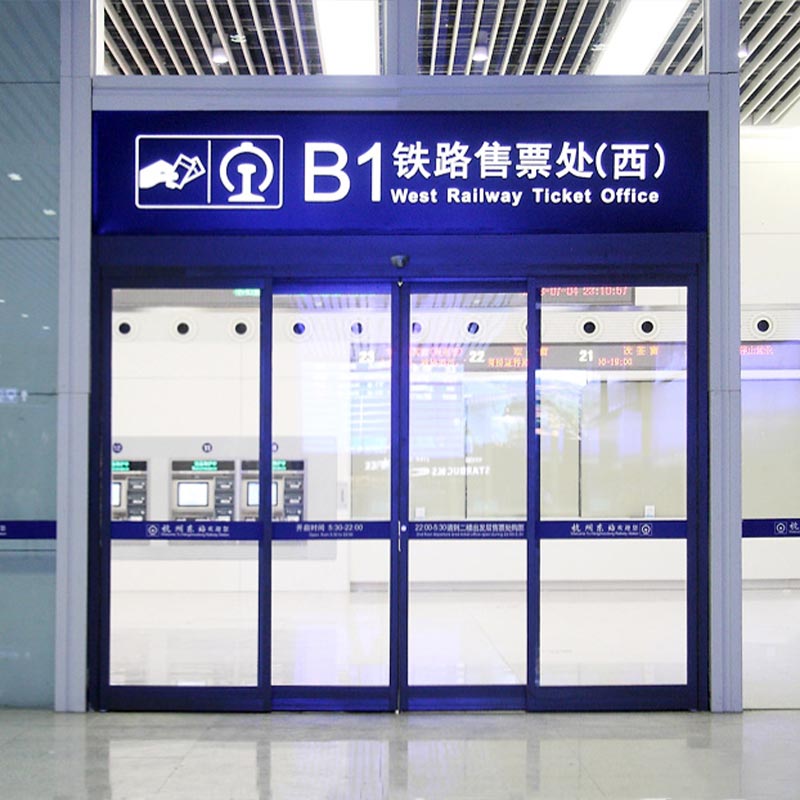
  • Airports and transportation hubs

Their adaptability makes them suitable for both high-traffic commercial environments and premium residential designs.


Installation Considerations

Proper installation is crucial for ensuring safety and performance. Several factors must be evaluated before installation:

  • Structural wall strength and load capacity
  • Electrical wiring and power supply compatibility
  • Floor leveling and track alignment
  • Sensor positioning accuracy
  • Emergency manual override integration

Professional installation is strongly recommended to ensure optimal functionality and compliance with safety standards.


Safety and Compliance

Safety is a critical aspect of automatic door systems. Modern designs incorporate multiple layers of protection, including obstacle detection, emergency stop functions, and anti-pinch technology.

  • Anti-collision sensors prevent injuries
  • Backup battery systems ensure operation during power failure
  • Fire safety integration allows emergency opening
  • Regulatory compliance with building safety codes

Maintenance and Longevity

Routine maintenance ensures long-term performance and reduces unexpected breakdowns.

  • Regular cleaning of glass and sensors
  • Lubrication of mechanical track systems
  • Inspection of motor and control units
  • Testing safety sensors monthly
  • Checking alignment and structural stability

With proper care, these systems can operate efficiently for many years without major repairs.


Comparison Table: Frameless vs Traditional Doors

Feature Automatic Frameless Glass Door Traditional Framed Door
Design Minimalist, transparent Bulky, framed structure
Operation Automatic sensor-based Manual
Hygiene High (touchless) Moderate (contact required)
Maintenance Moderate technical upkeep Low
Aesthetic Value Premium modern look Standard appearance

Buying Guide

When selecting an automatic frameless glass door system, consider the following:

  • Door size and traffic volume
  • Type of sensor technology
  • Glass thickness and safety rating
  • Motor durability and warranty
  • Customization options
  • After-sales technical support

Choosing a reliable manufacturer ensures consistent performance and long-term reliability.


Common Problems & Solutions

  • Door not opening: Check sensor alignment and power supply.
  • Slow response: Clean sensors and inspect controller settings.
  • Noise during operation: Lubricate track system.
  • Misalignment: Recalibrate installation rails.

FAQ

Q1: Are automatic frameless glass doors safe?
Yes, they include multiple safety sensors and emergency systems to prevent accidents.

Q2: Can they be used in residential buildings?
Yes, they are increasingly popular in luxury homes and apartments.

Q3: How long do they last?
With proper maintenance, they can last over 10 years or more.

Q4: Do they consume a lot of electricity?
No, they are designed for energy-efficient operation.

Q5: Can they operate during power failure?
Many systems include backup battery support or manual override features.


Conclusion

The automatic frameless glass door represents a significant advancement in modern architectural design and intelligent building systems. It combines aesthetics, functionality, and safety into a single integrated solution suitable for a wide range of environments. From commercial buildings to luxury residences, its value continues to grow as demand for smart infrastructure increases.

For businesses seeking reliable and high-quality solutions, Ningbo OWNIC Technology Co., Ltd. provides advanced engineering expertise and customized door automation systems tailored to diverse project needs.

If you are looking to upgrade your building entrance system or require professional consultation, feel free to contact us to explore tailored solutions that meet your specific requirements and elevate your architectural standards.

Related News
Leave me a message
X
We use cookies to offer you a better browsing experience, analyze site traffic and personalize content. By using this site, you agree to our use of cookies. Privacy Policy
Reject Accept