News

News

Discover the Latest News About OWNIC in Our News and Press Area

Why Is Automatic Telescopic Door Becoming Essential for Modern Buildings?

2026-05-25 0 Leave me a message

Automatic telescopic doors are transforming modern architecture by combining intelligent automation, compact design, energy efficiency, and seamless traffic management. From hospitals and shopping malls to airports and office towers, these advanced door systems solve one of the most common building challenges: maximizing entrance width while minimizing occupied space.

This article explores how automatic telescopic doors work, their key advantages, installation considerations, maintenance strategies, safety features, application scenarios, and how businesses can choose the right solution for long-term performance. Whether you are a contractor, architect, facility manager, or property owner, this guide will help you understand why automatic telescopic doors are becoming a preferred entrance solution worldwide.

Automatic telescopic doors


Table of Contents


1. What Is an Automatic Telescopic Door?

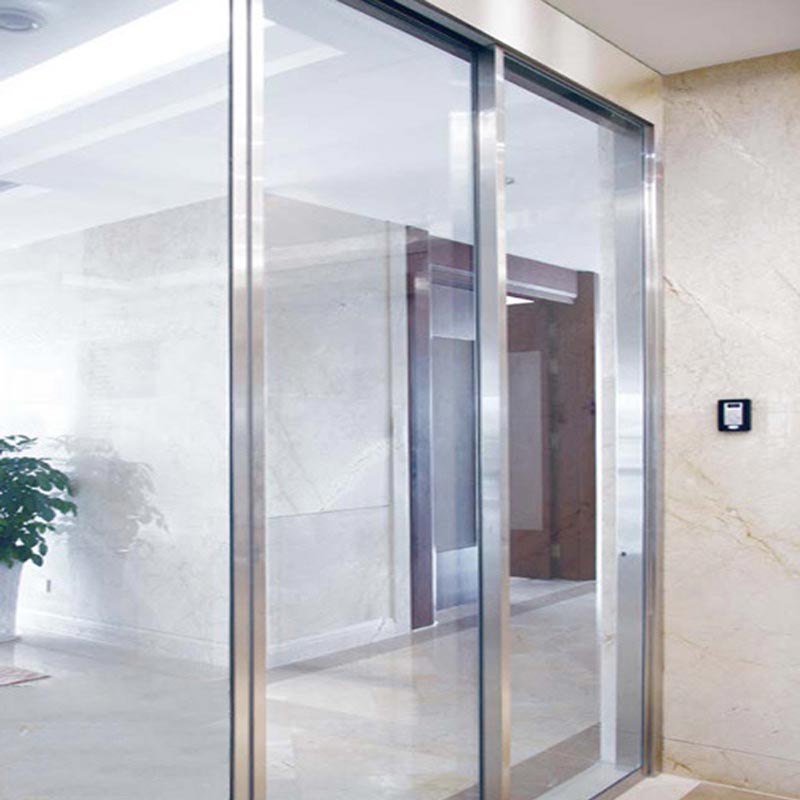
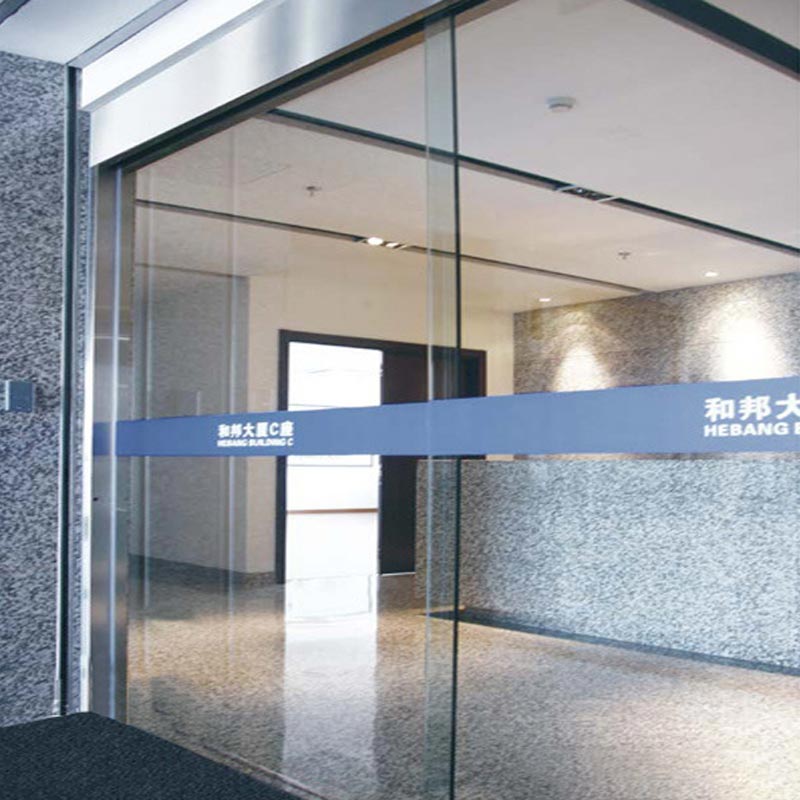
An automatic telescopic door is a multi-panel sliding door system designed to maximize opening width in areas where wall space is limited. Unlike traditional sliding doors that typically use one or two panels, telescopic doors consist of multiple interconnected panels that slide simultaneously in a synchronized telescoping motion.

These systems are powered by intelligent motors and sensor technologies that allow smooth automatic opening and closing without physical contact. Because the panels stack compactly, they create a larger clear opening while requiring less side room.

Automatic telescopic doors are especially useful in:

  • Hospitals
  • Airports
  • Hotels
  • Retail stores
  • Office buildings
  • Industrial facilities
  • Luxury residential projects

2. How Does an Automatic Telescopic Door Work?

The operating principle behind an automatic telescopic door is based on synchronized panel movement. Multiple door leaves are connected through belts, pulleys, or track systems that coordinate movement efficiently.

When sensors detect approaching pedestrians or vehicles, the control system activates the motor, causing all panels to slide together at proportional speeds.

Component Function
Motion Sensor Detects approaching users
Drive Motor Provides movement power
Controller Coordinates system operation
Safety Sensors Prevents collisions and accidents
Track System Guides door movement smoothly

3. Why Are Telescopic Doors Different from Sliding Doors?

Many buyers confuse telescopic doors with standard automatic sliding doors, but there are major differences in design and functionality.

Feature Telescopic Door Standard Sliding Door
Opening Width Very large Moderate
Space Requirement Compact Requires larger side space
Panel Quantity Multiple Usually one or two
Traffic Capacity High Medium

Telescopic systems are particularly valuable in high-traffic environments where every centimeter of entrance space matters.


4. Main Benefits of Automatic Telescopic Doors

Businesses and property developers increasingly choose automatic telescopic doors because they solve multiple operational and architectural challenges simultaneously.

  • Space Optimization: Achieve wider openings with limited wall space.
  • Enhanced Accessibility: Easier entry for wheelchairs, carts, and stretchers.
  • Improved Traffic Flow: Faster movement during busy hours.
  • Elegant Appearance: Modern and professional architectural aesthetics.
  • Reduced Physical Contact: Supports hygienic environments.
  • Energy Savings: Minimizes air leakage and temperature loss.
  • Quiet Operation: Smooth and low-noise movement.

These advantages make them a strategic investment rather than simply a door replacement.


5. Where Are Automatic Telescopic Doors Commonly Used?

Different industries benefit from automatic telescopic door systems in unique ways.

Industry Primary Benefit
Healthcare Hands-free hygienic access
Retail Customer convenience and traffic flow
Airports Large passenger movement
Hotels Luxury entrance appearance
Factories Efficient logistics access

6. How Do These Doors Improve Space Utilization?

One of the biggest pain points in modern building design is limited entrance wall space. Standard doors often require wide side pockets to slide open completely.

Telescopic doors solve this issue by allowing multiple narrow panels to overlap compactly. This creates:

  • Wider access openings
  • More usable interior space
  • Better pedestrian circulation
  • Improved architectural flexibility

In narrow corridors or compact commercial entrances, this advantage can dramatically improve overall functionality.


7. What Safety Features Should You Expect?

Safety is one of the most critical aspects of any automatic entrance system.

Modern automatic telescopic doors include advanced protection technologies such as:

  • Infrared presence sensors
  • Obstacle detection systems
  • Emergency breakout functions
  • Anti-pinch mechanisms
  • Battery backup systems
  • Smart speed adjustment

These features help prevent accidents while ensuring uninterrupted operation during emergencies or power outages.


8. Energy Efficiency and Environmental Advantages

Energy conservation has become increasingly important in commercial construction. Automatic telescopic doors contribute to lower energy consumption by minimizing air exchange between indoor and outdoor environments.

Benefits include:

  • Reduced heating and cooling loss
  • Improved climate control stability
  • Lower HVAC operational costs
  • Reduced carbon emissions

Faster opening and closing cycles also help maintain internal temperatures more effectively than manually operated doors.


9. Materials and Design Options

Automatic telescopic doors are available in various materials and finishes to match architectural styles and operational requirements.

Material Advantages
Tempered Glass Elegant appearance and visibility
Aluminum Alloy Lightweight and corrosion resistant
Stainless Steel High durability and premium finish

Customization options often include:

  • Frameless glass designs
  • Colored coatings
  • Integrated access control
  • Smart automation systems
  • Fire-resistant configurations

10. Installation Considerations

Proper installation directly impacts long-term reliability and operational efficiency.

Before installation, professionals should evaluate:

  • Structural wall strength
  • Traffic volume expectations
  • Electrical power supply
  • Environmental conditions
  • Emergency evacuation requirements

Precision alignment is especially important because telescopic systems involve synchronized movement among multiple panels.


11. Common Problems and Solutions

Even high-quality automatic telescopic doors may encounter operational issues over time.

Problem Possible Cause Solution
Door moves slowly Motor wear or track dirt Maintenance and cleaning
Sensor malfunction Dust or misalignment Sensor recalibration
Abnormal noise Track obstruction Lubrication and inspection

12. Maintenance Tips for Long-Term Performance

Preventive maintenance reduces downtime and extends service life.

  • Clean tracks regularly
  • Inspect sensors monthly
  • Lubricate moving components
  • Test emergency systems
  • Check panel alignment
  • Replace worn belts promptly

Routine inspections can significantly reduce unexpected repair costs.


13. How to Choose the Right Supplier

Choosing the right manufacturer or supplier is critical for long-term project success.

Buyers should evaluate:

  • Manufacturing experience
  • Customization capability
  • Technical support availability
  • Quality certifications
  • After-sales service
  • Project portfolio

Companies such as Ningbo OWNIC Technology Co., Ltd. continue to provide advanced automatic door solutions designed for reliability, safety, and modern architectural integration.


14. Future Trends in Automatic Entrance Systems

The future of automatic telescopic doors is closely connected with smart building technologies.

Emerging innovations include:

  • AI-powered traffic analysis
  • Touchless gesture activation
  • IoT remote monitoring
  • Predictive maintenance systems
  • Enhanced cybersecurity integration
  • Energy-optimized automation controls

As smart infrastructure continues to evolve, automatic telescopic doors will become even more intelligent and efficient.


15. FAQ

Q1: Are automatic telescopic doors suitable for small entrances?

Yes. Their compact stacking design makes them ideal for entrances with limited side space.

Q2: Can telescopic doors be customized?

Absolutely. Sizes, materials, finishes, sensors, and access control systems can all be customized.

Q3: Are these doors energy efficient?

Yes. Their rapid opening and closing reduce indoor temperature loss and improve energy efficiency.

Q4: How long do automatic telescopic doors last?

With proper maintenance, high-quality systems can operate efficiently for many years.

Q5: What industries benefit most from telescopic doors?

Healthcare, transportation, retail, hospitality, and industrial sectors benefit significantly due to high traffic demands.


16. Conclusion

Automatic telescopic doors are no longer just a luxury architectural feature. They have become a practical necessity for modern buildings seeking better accessibility, space optimization, safety, operational efficiency, and visual appeal.

As technology advances, these intelligent entrance systems will continue to play an important role in commercial and industrial infrastructure worldwide.

If you are planning a new construction project or upgrading an existing entrance system, partnering with an experienced supplier like Ningbo OWNIC Technology Co., Ltd. can help ensure reliable performance and professional support throughout your project lifecycle.


Contact Ningbo OWNIC Technology Co., Ltd. today to discuss customized entrance systems, technical support, and professional manufacturing services tailored to your business needs.


Related News
Leave me a message
X
We use cookies to offer you a better browsing experience, analyze site traffic and personalize content. By using this site, you agree to our use of cookies. Privacy Policy
Reject Accept