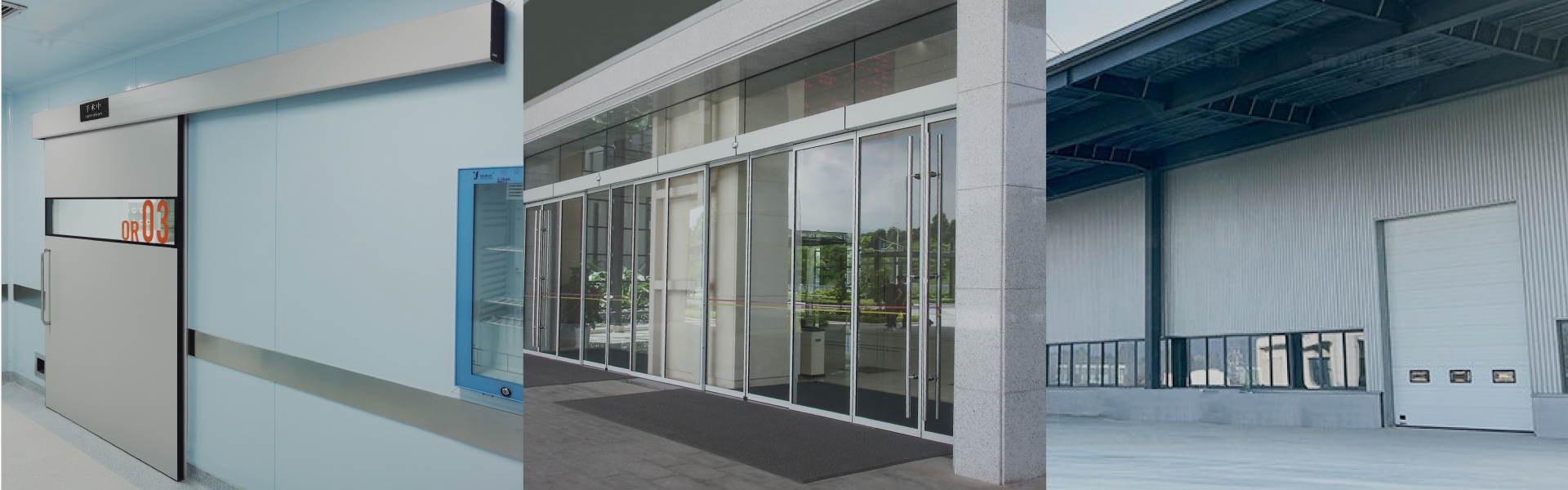
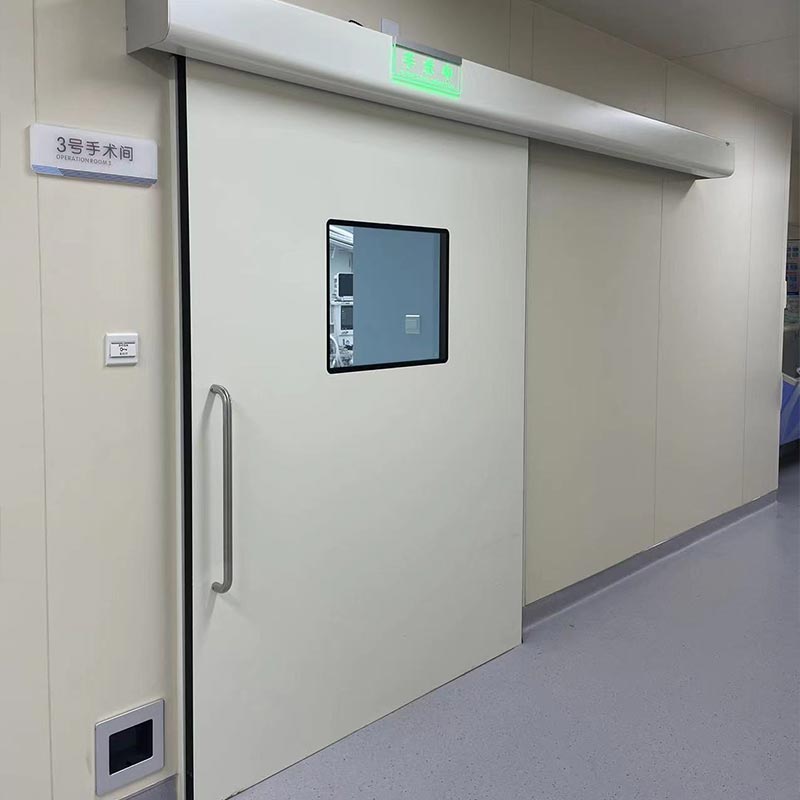
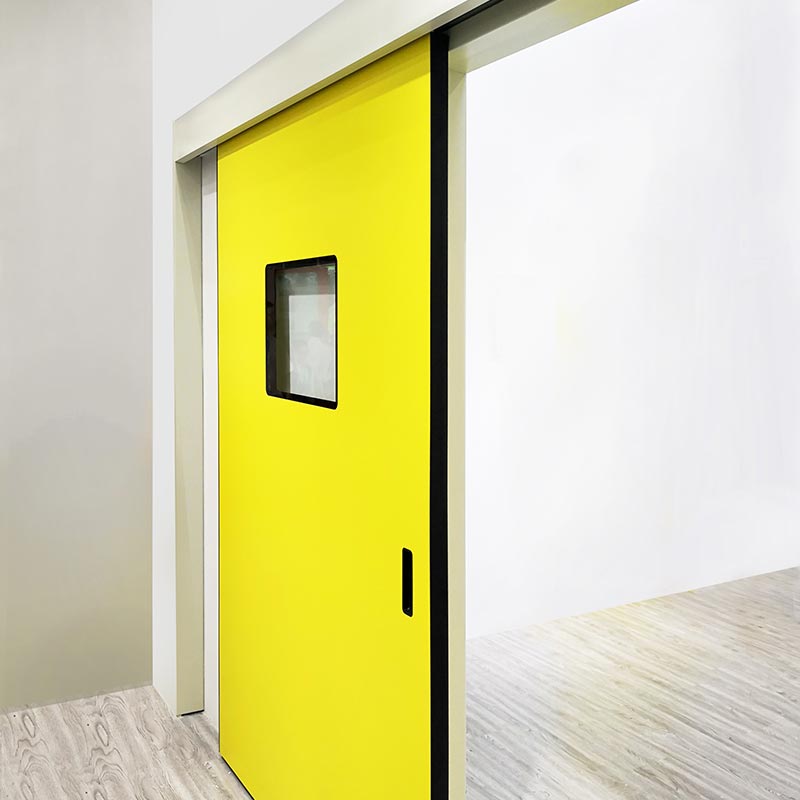
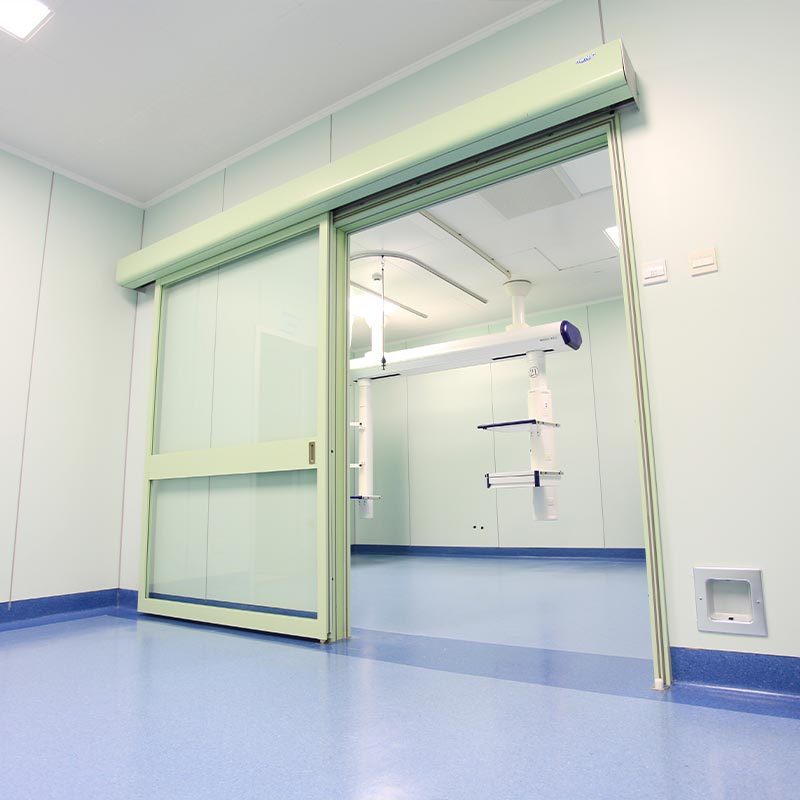
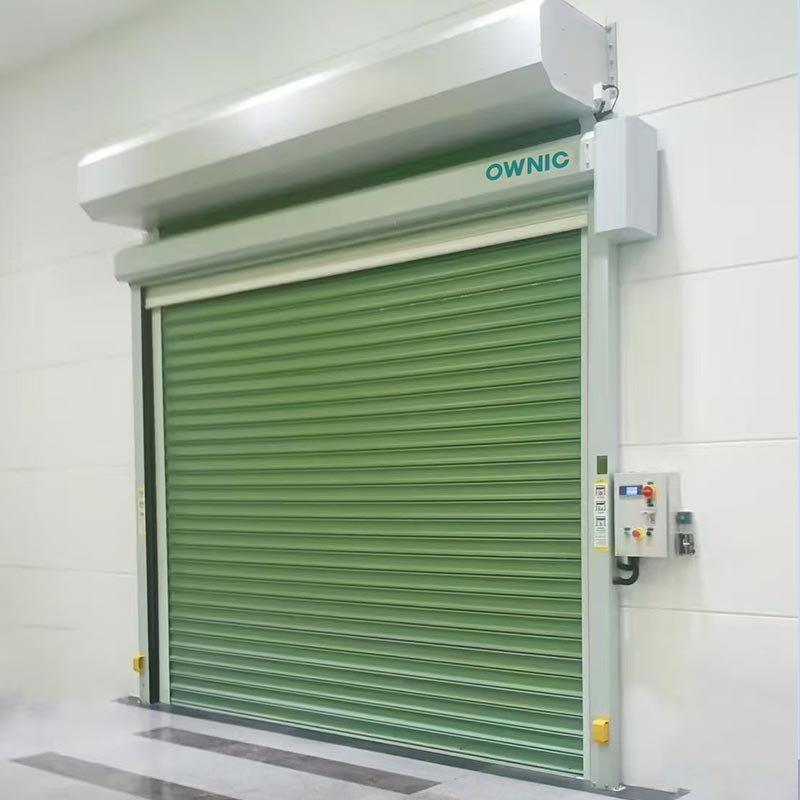
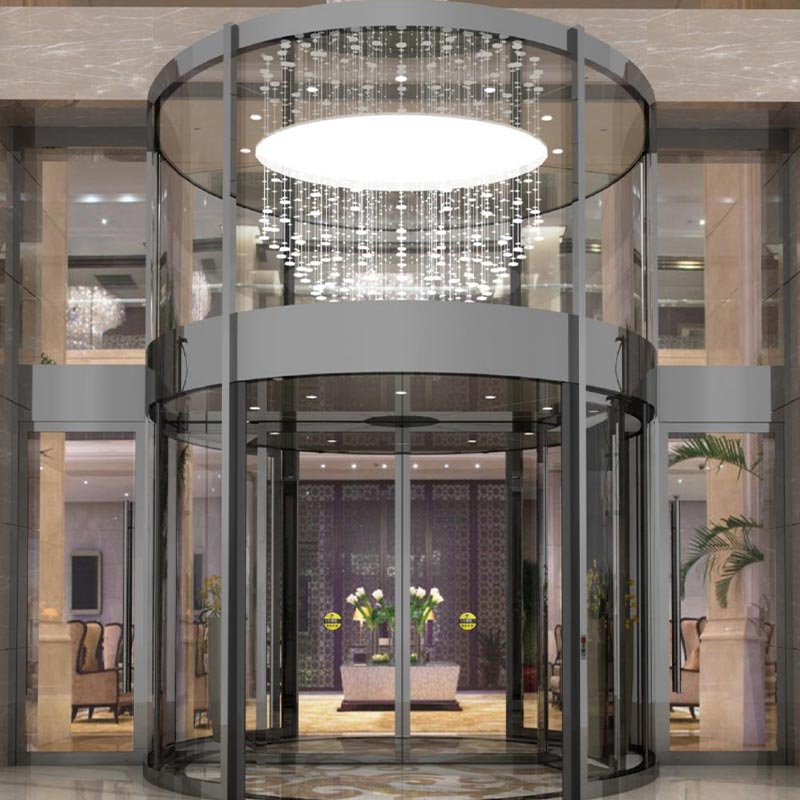
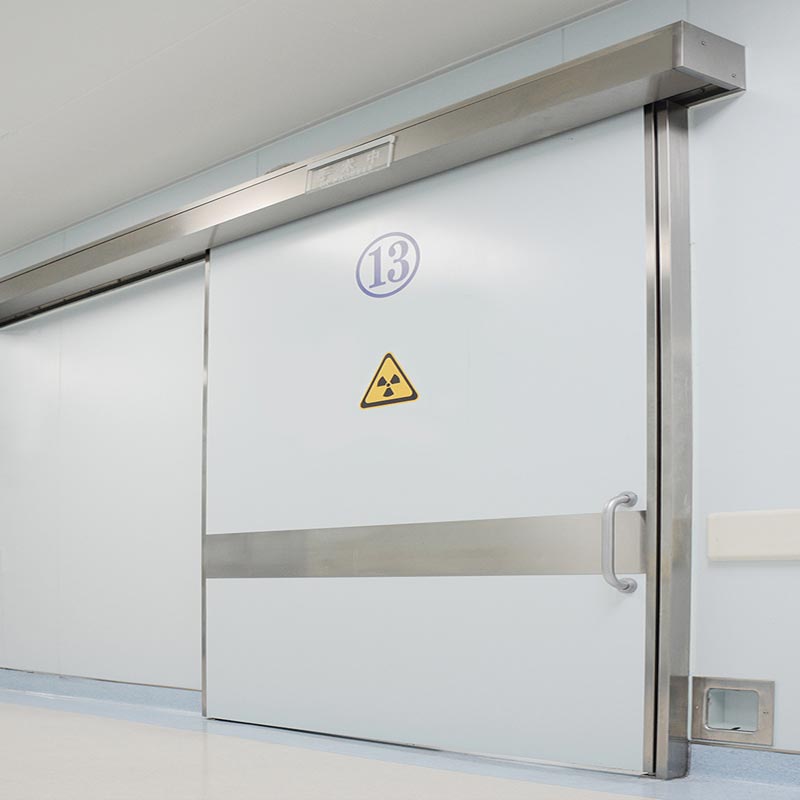
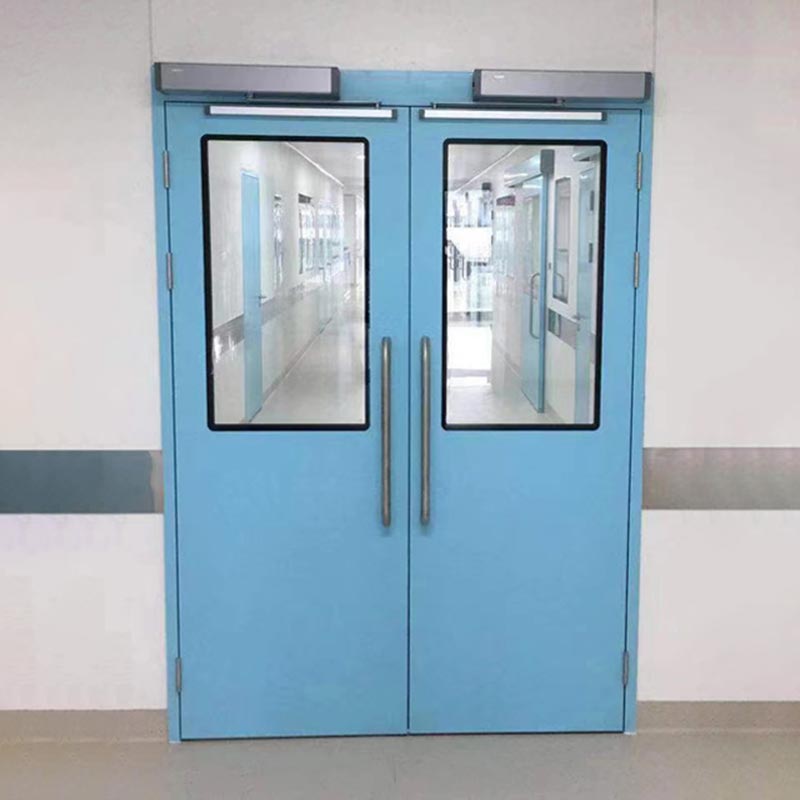
In addition to offering a wide range of medical and commercial door products, OWNIC also provides Industrial Doors specifically tailored to industrial projects. Engineered to meet rigorous engineering specifications, these doors feature superior structural strength—including solutions for ultra-heavy-duty applications—and are designed to withstand harsh operating environments, thereby ensuring production efficiency, energy conservation, and operational safety.
Why Are Industrial Doors Essential in Industrial Settings?
The answer to this question is actually quite simple. As a manufacturer and supplier of various door system solutions, we can tell you with absolute certainty: standard doors simply cannot withstand the rigors of an industrial environment. To ensure the continuous and reliable operation of door systems within industrial projects, it is imperative to utilize purpose-built industrial doors.
1. Disparate Levels of Operational Intensity
In industrial settings, doors are required to open and close anywhere from dozens to thousands of times a day, often amidst the frequent ingress and egress of forklifts and trucks. Standard doors—such as those designed for commercial or public spaces—struggle to endure this level of intensity; they are prone to deformation, structural damage, and mechanical jamming.
2. Elevated Safety Risks
Industrial environments are characterized by the presence of forklifts and heavy machinery. In settings where pedestrian and vehicular traffic intermingle, a higher level of safety engineering is required to ensure protection. Standard doors are easily damaged by impact, pose a higher risk of pinching or trapping individuals, and typically lack the integrated safety protection systems found in industrial-grade doors.
3. Greater Demands for Size and Structural Robustness
Industrial door openings are typically taller and wider to accommodate the passage of large-scale equipment or cargo. Furthermore, many industrial doors—particularly those of specialized grades—are themselves quite heavy. Standard doors are simply incapable of meeting these specific dimensional and load-bearing requirements.
4. Complex and Harsh Environmental Conditions
Industrial environments frequently expose door systems to dust, grease, extreme temperatures (both high and low), strong winds, and high humidity. Consequently, these settings demand door systems engineered to provide wind resistance, corrosion protection, and effective sealing against dust and contaminants.
5. Compliance with Safety Regulations and Standards
This point is of paramount importance. Many industrial projects are subject to strict safety regulations, fire safety interlock protocols, and equipment standardization mandates. These projects are governed by specific, corresponding standards; failure to meet these requirements can jeopardize the final project delivery and acceptance.
Common Faults and Solutions
|
Fault Type
|
Possible Causes
|
Solution
|
Preventive Measures
|
|
Door Sticking/Jerking During Operation
|
Uneven tracks or debris accumulation
|
Clean tracks and level the mechanism
|
Regularly clean the tracks and check the verticality of the door body.
|
|
Misaligned Door Panels
|
Installation errors or loose bolts
|
Adjust door panel positioning and tighten bolts
|
Measure precisely during installation, and inspect regularly.
|
|
Motor Failure
|
Power supply failure or control circuit issues
|
Inspect power supply; repair or replace motor
|
Use a voltage stabilizer, and regularly inspect electrical wiring.
|
|
Slow Door Operation
|
Insufficient motor power or worn pulleys
|
Replace motor or pulleys
|
Regularly lubricate the pulleys and match the motor power.
|
|
Sensor Failure
|
Dirty or misaligned sensors
|
Clean or adjust sensors
|
Regularly clean the sensor and ensure that the installation angle is correct.
|
|
Unusual Noises
|
Worn tracks/hinges or lack of lubrication
|
Lubricate or replace worn components
|
Lubricate regularly and check for wear.
|
|
Automatic System Malfunction
|
Control system malfunction or interference
|
Inspect wiring and controller; recalibrate system
|
Keep wiring neat and avoid sources of interference.
|
|
Rusting
|
High-temperature or humid environments
|
Apply anti-rust treatment to surfaces; replace door body if necessary
|
Periodically inspect the protective layer and apply anti-rust oil if necessary.
|
|
Poor Sealing
|
Aged or damaged weatherstripping
|
Replace weatherstripping
|
Periodically inspect the sealing strips and replace them promptly.
|
|
Emergency Switch Failure
|
Emergency system failure or power outage
|
Inspect emergency switch; repair or replace
|
Regularly simulate emergency operations to ensure availability.
|
Why Choose OWNIC?
Choose OWNIC—established in 1981, we bring over 40 years of experience to the table. We design customized solutions tailored to your specific needs, complemented by comprehensive after-sales warranty coverage and technical support services.
Should you encounter any issues, we guarantee a rapid response, with our engineers providing remote technical guidance. We maintain regional stock of commonly used spare parts to ensure expedited delivery, and we offer a warranty of up to five years on core components.
Having served a diverse range of industries, we are capable of designing solutions that fully comply with the local regulations and standards applicable to your project, and we provide complete documentation packages. We invite you to contact us.