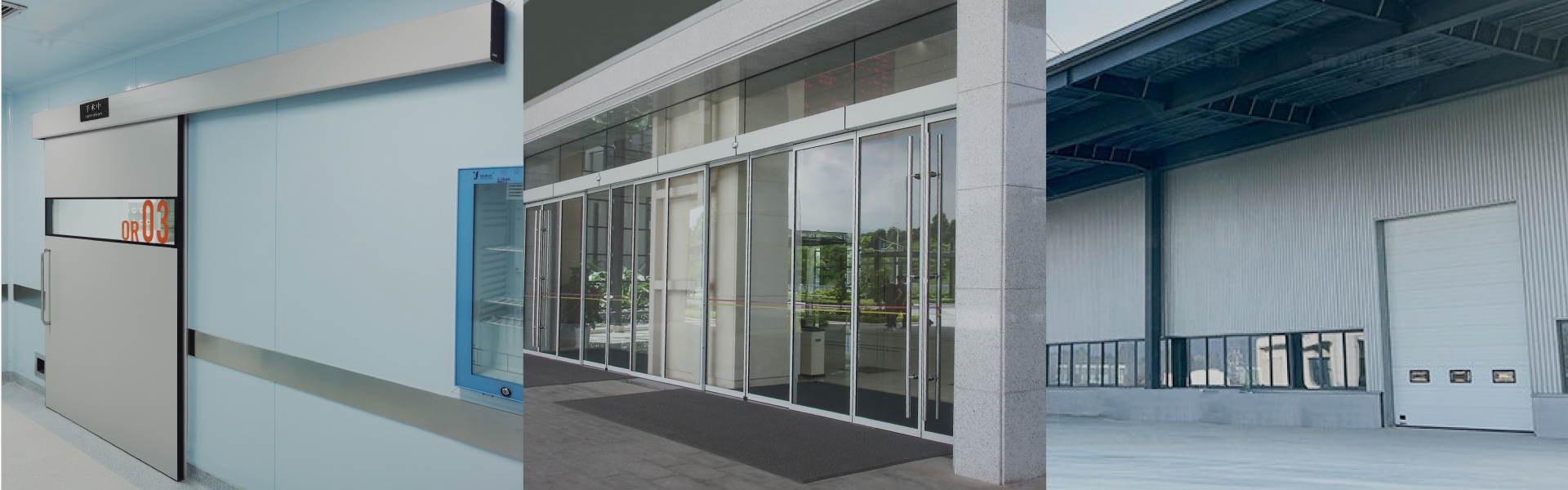
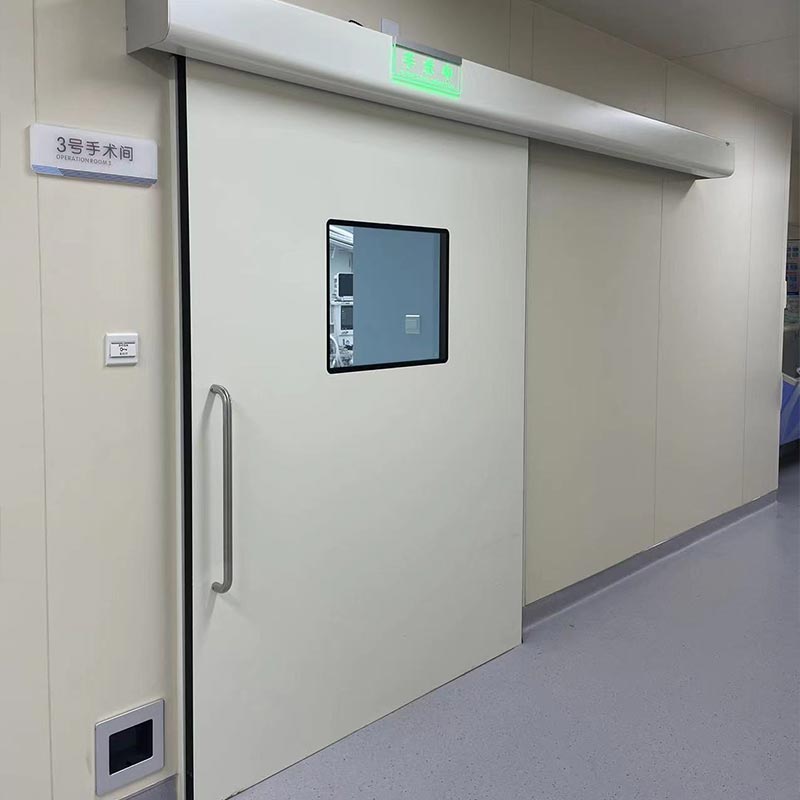
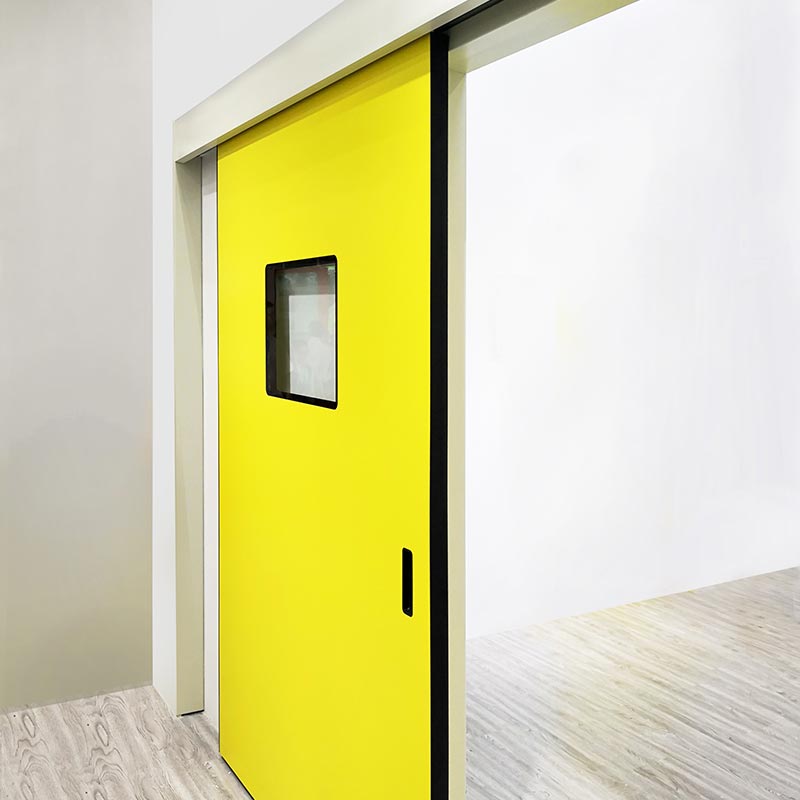
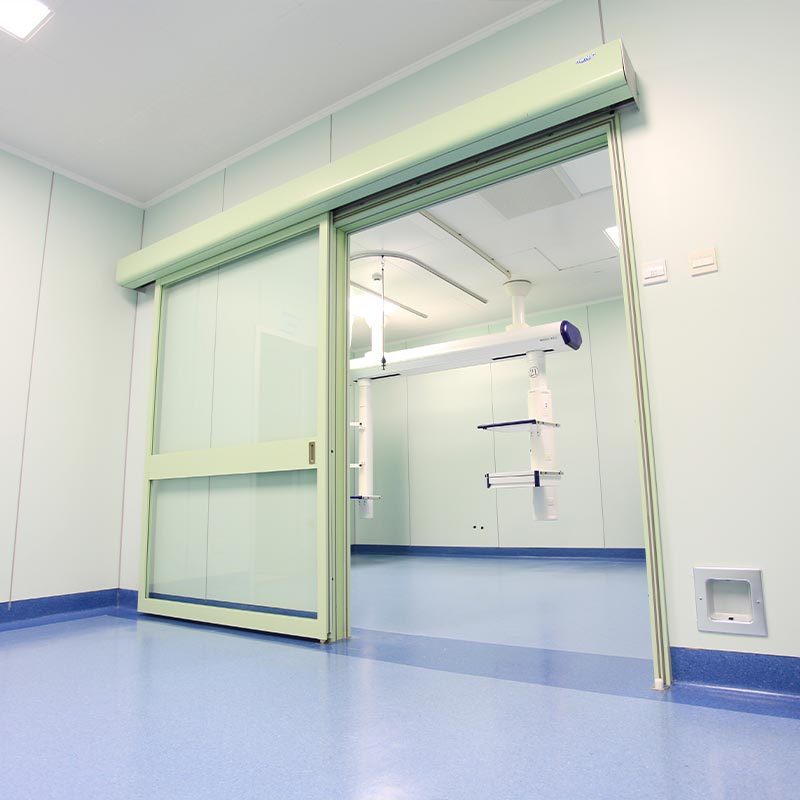
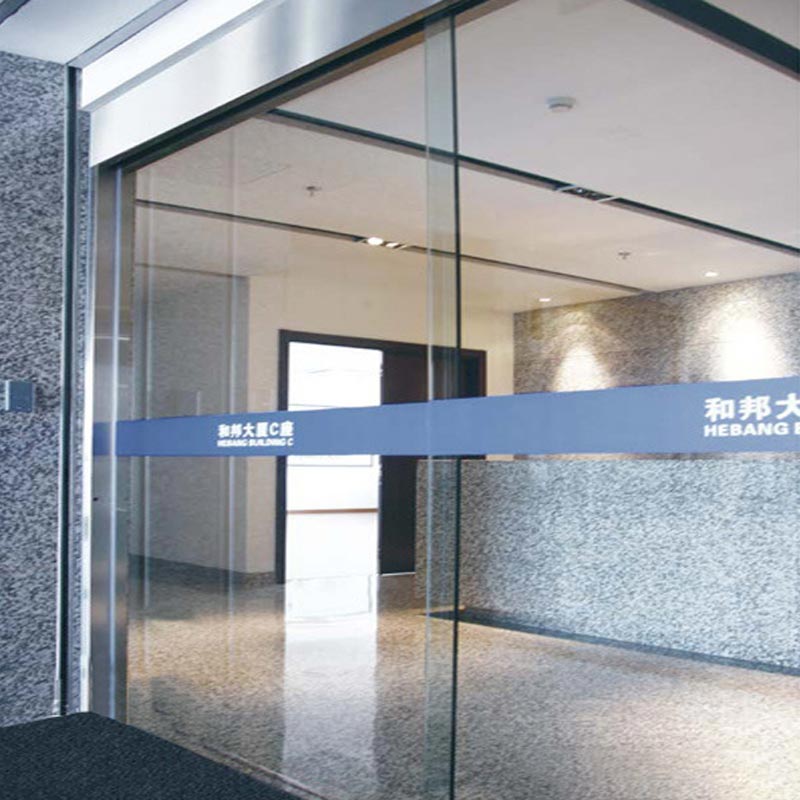
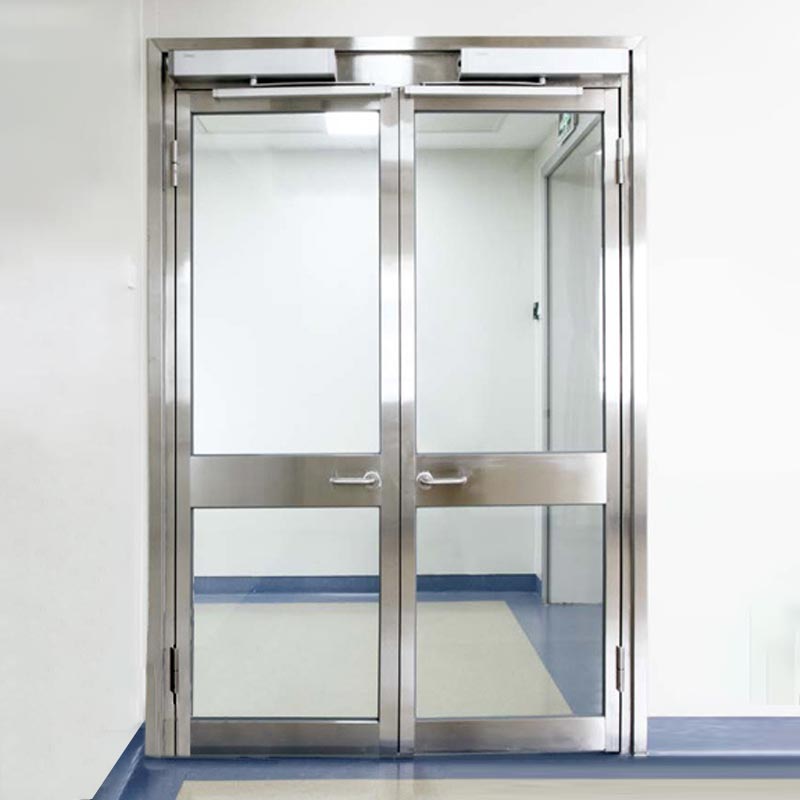
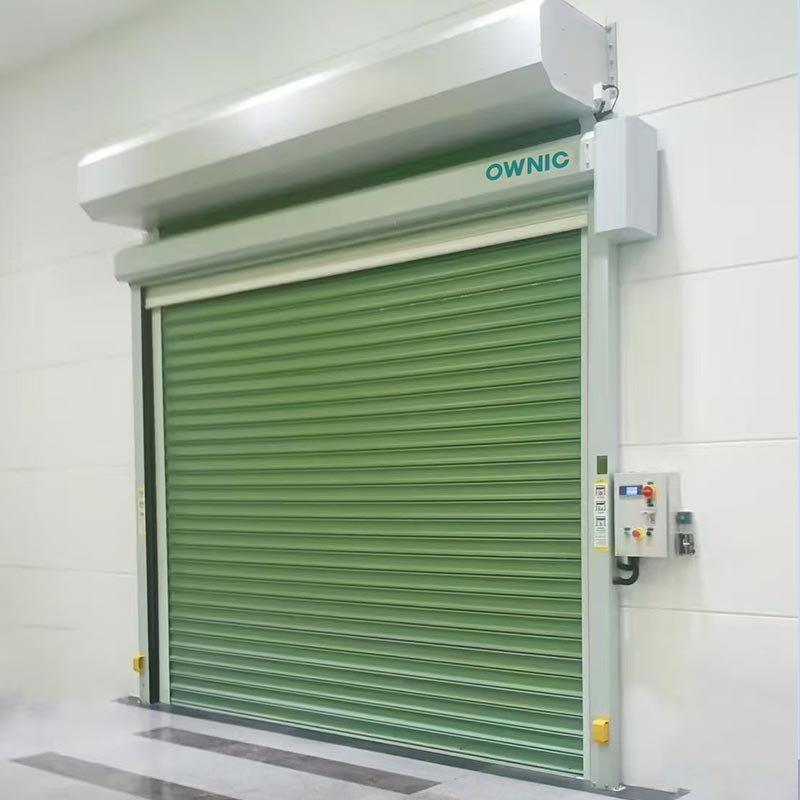
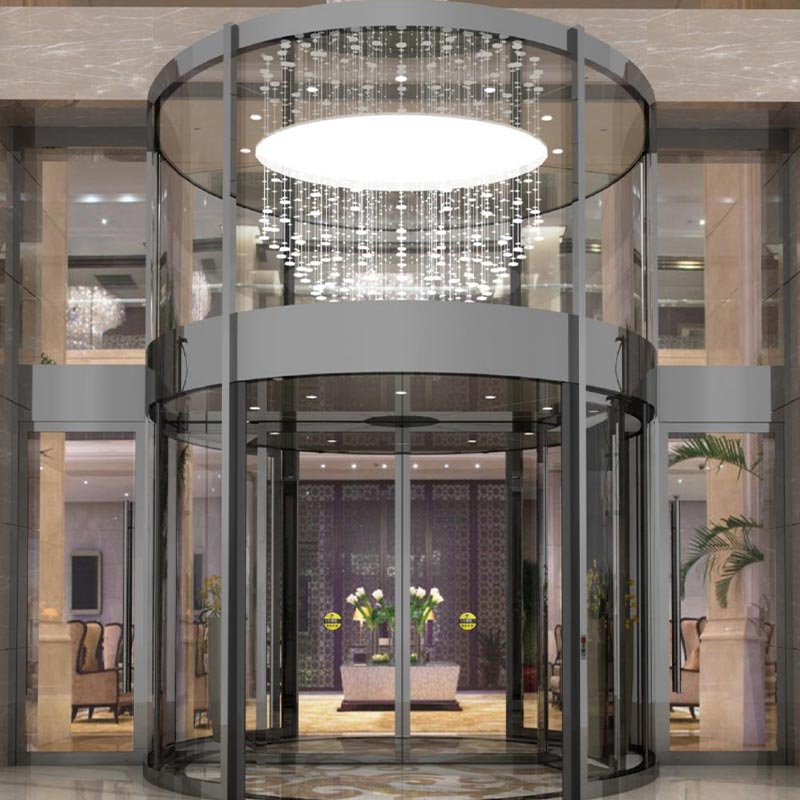
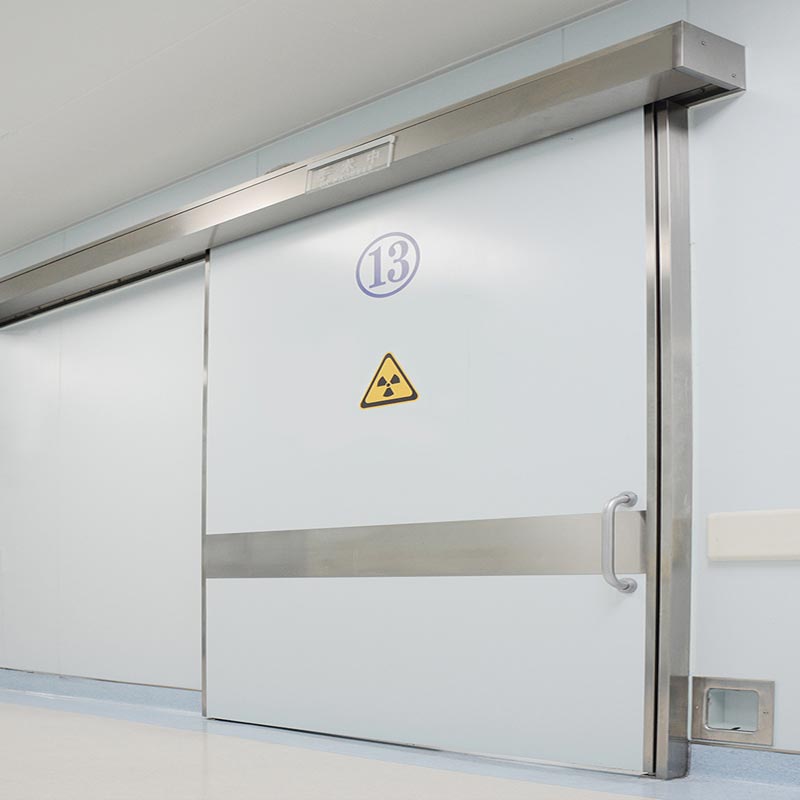
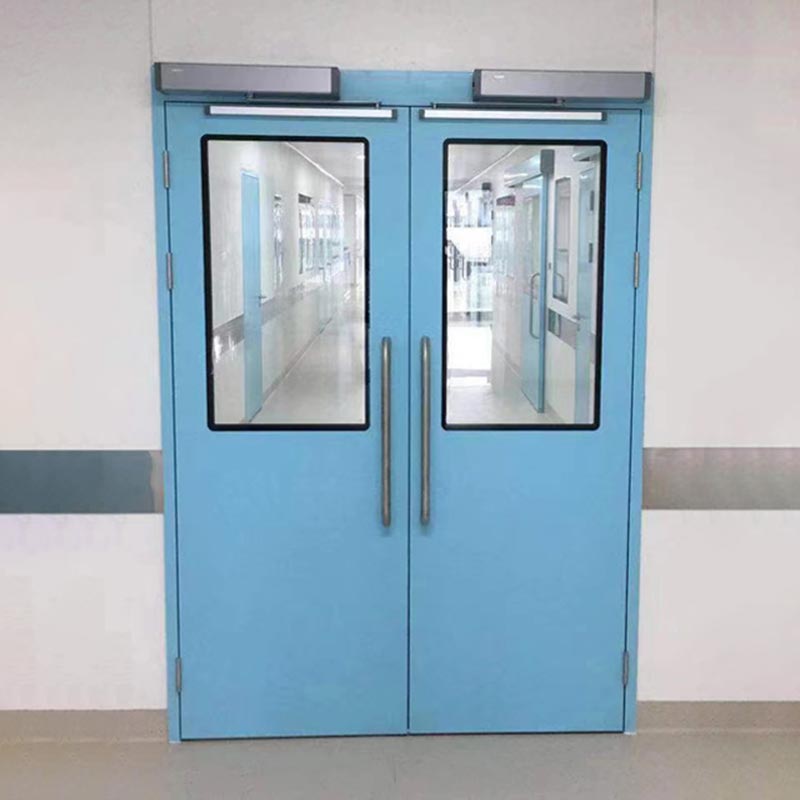
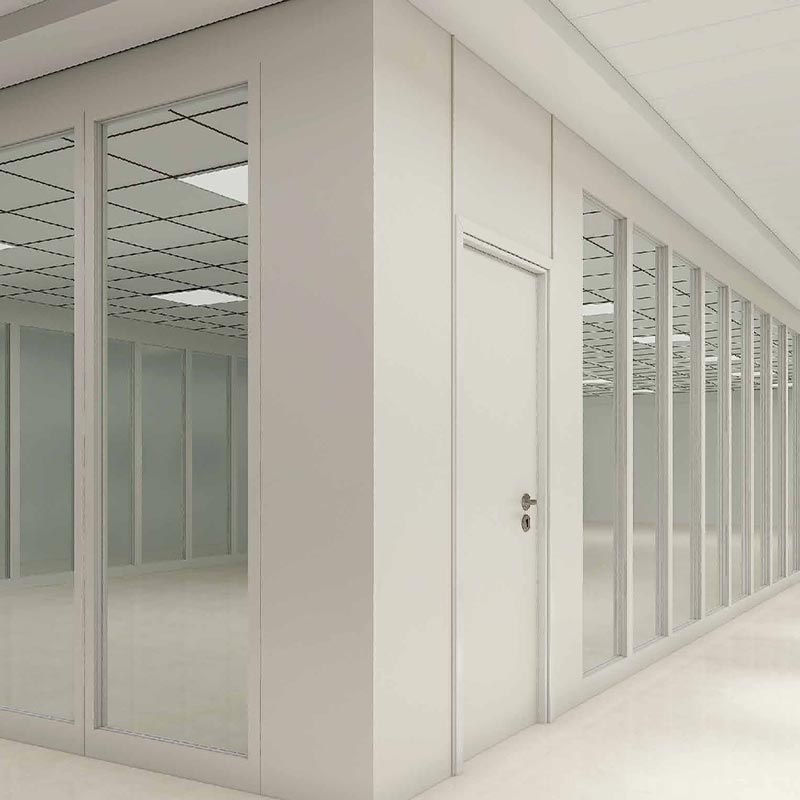
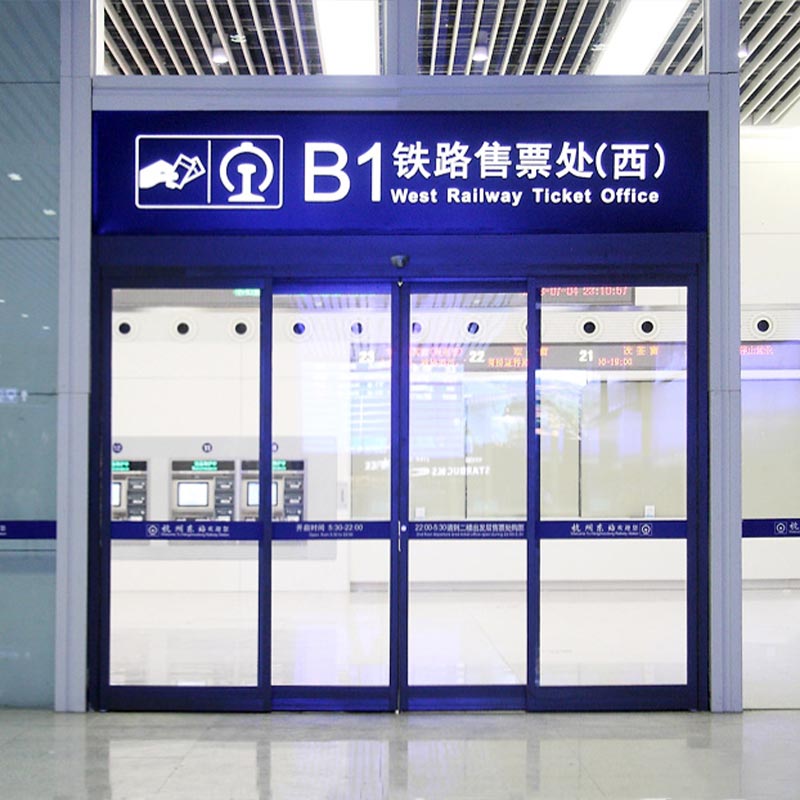
We welcome you to choose OWNIC as your manufacturer and supplier of commercial doors. Designed specifically for commercial and public environments, our door systems deliver exceptional performance and feature robust safety mechanisms; they are engineered to withstand the high-frequency opening and closing cycles typical of such settings, effortlessly handling heavy pedestrian traffic.
Application Scenarios
As a manufacturer with over 40 years of experience, OWNIC possesses extensive project expertise and is capable of providing suitable door system configurations for a wide range of commercial environments. Simply provide us with your specific project details, and we will deliver a customized solution tailored to your needs.
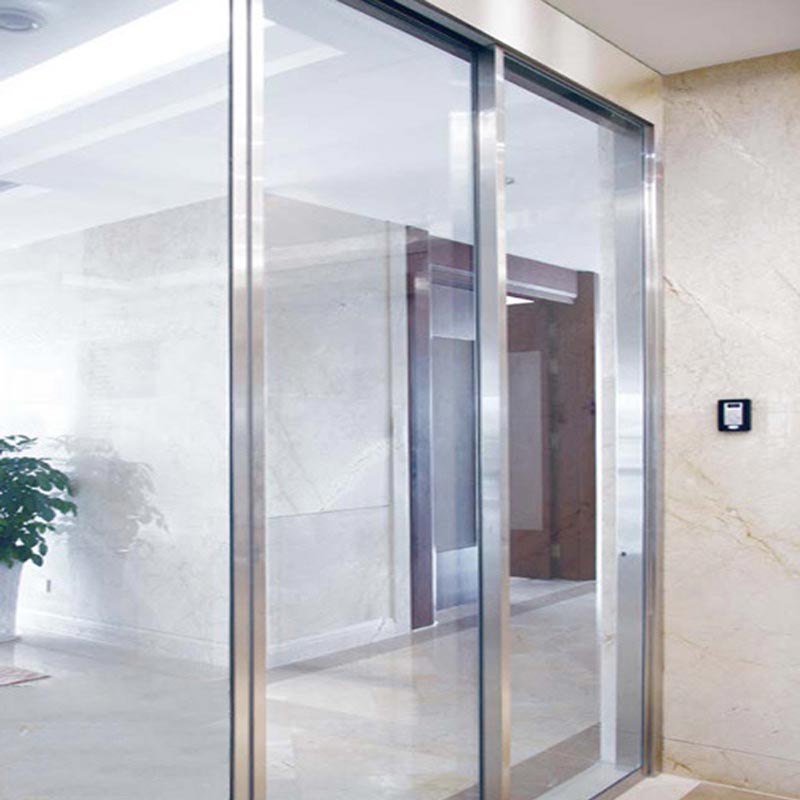
1. Office Buildings & Corporate Centers: Our commercial door series serves as ideal solutions for main entrances and office area passageways. These systems ensure high traffic efficiency, project a professional and aesthetic image, and can be seamlessly integrated with access control systems.
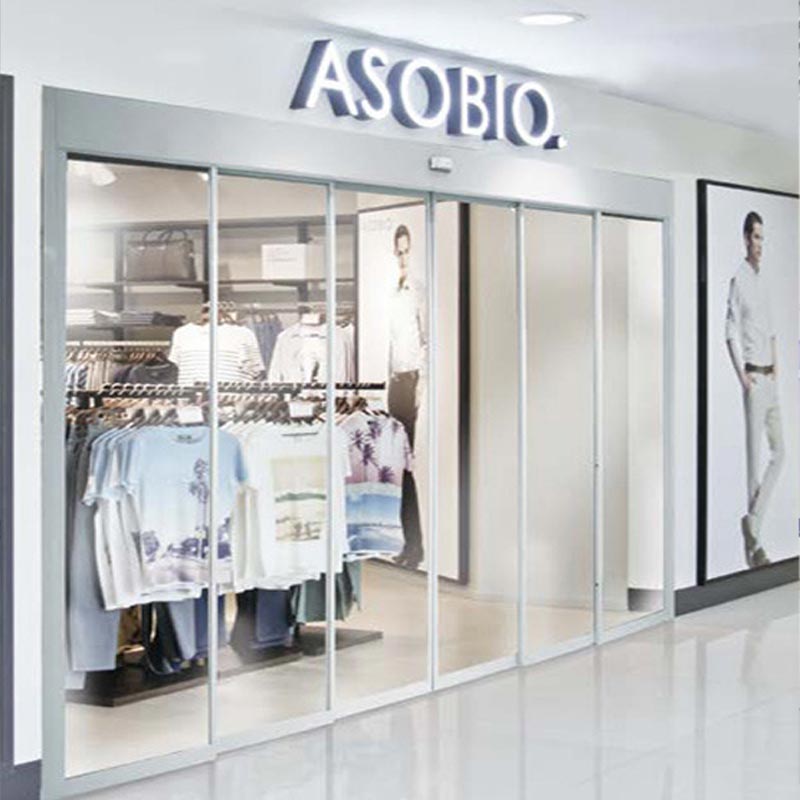
2. Shopping Malls & Retail Spaces: We design automatic entrance doors for malls and glass doors for individual retail outlets. These systems are engineered to handle high-volume foot traffic with stable, reliable operation, thereby enhancing the customer experience while effectively conserving energy by minimizing the loss of heated or cooled air.
3. Hotels & Hospitality Sector: We frequently design entrance doors for hotel lobbies and passageway doors for guest room areas. These doors feature a premium aesthetic, automated functionality, and silent operation, prioritizing both safety and guest comfort.
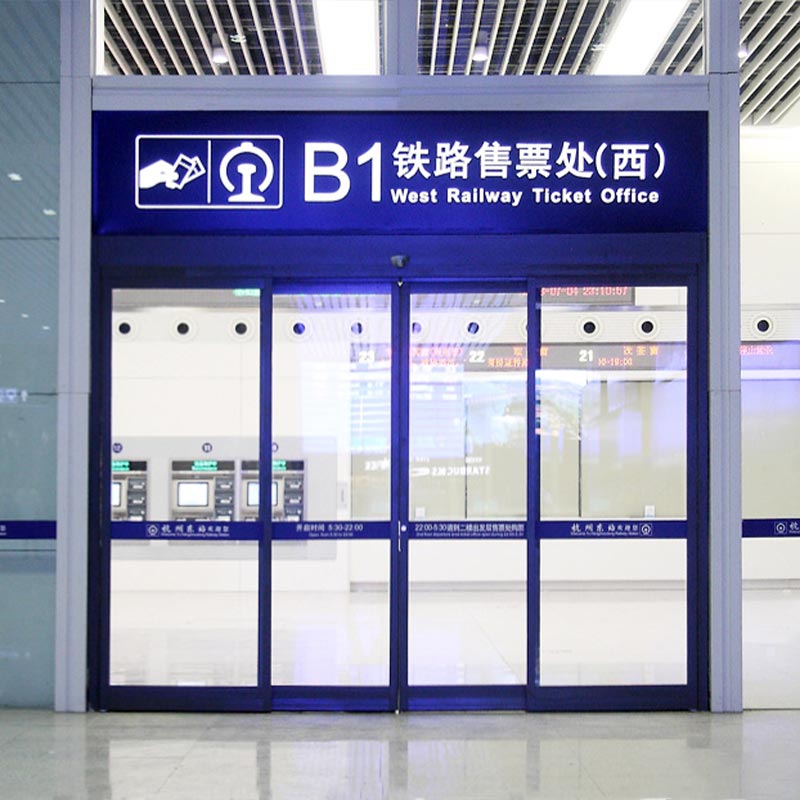
4. Public Transportation & Infrastructure: We provide automatic doors for airports, subway stations, and transit hubs, as well as doors for security checkpoints. Situated in high-traffic public zones, these doors face extremely frequent usage and demand superior security controls alongside rapid throughput capabilities—requirements that our products are specifically designed to meet.
How to Install Commercial Doors?
Comprehensive installation and maintenance guides are provided with every product delivery. Based on our extensive project experience, the installation of commercial doors generally follows the steps outlined below. Should you encounter any issues, please feel free to contact us at any time for technical support.
● Pre-Installation Verification
1. Site Measurement and Verification: To prevent potential issues during installation, please re-verify the dimensions of the door opening, as well as the levelness of the floor and the plumb of the walls. If an automatic door system has been selected, please also check for the presence of a reserved power supply.
2. Materials and Tools Check: Please confirm that all tools and accessories required for the installation are on hand and complete.
● Installation Process
1. Secure the Door Frame: Position the door frame within the door opening, adjust it to ensure it is both level and plumb, and then secure it in place using expansion bolts.
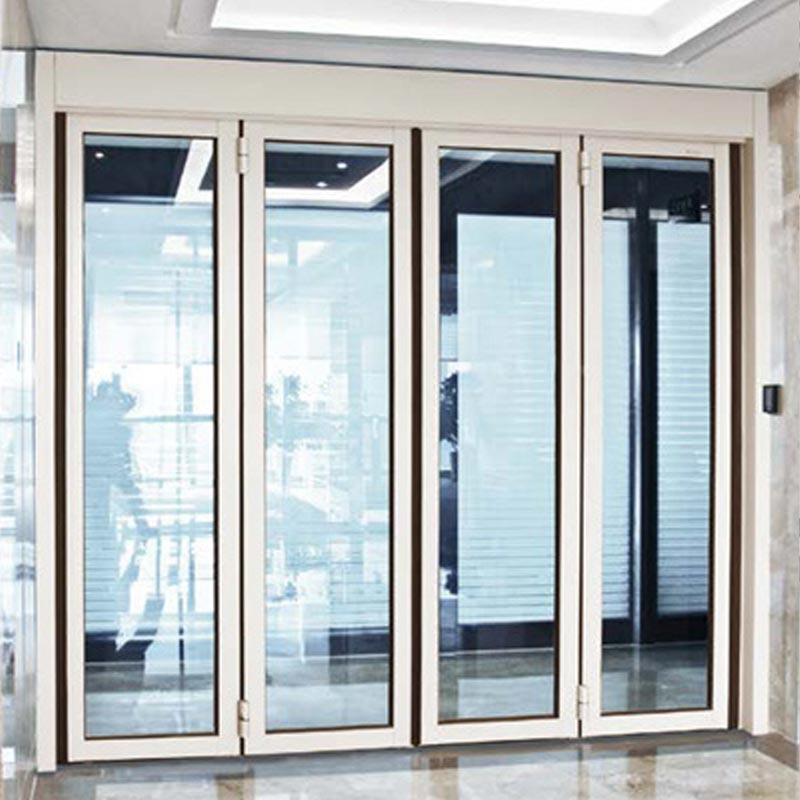
2. Install Tracks or Hinges: If installing a swing door, install the hinges and verify the load-bearing points. If installing a sliding door, install the upper and lower tracks, ensuring they are perfectly level.
3. Install the Door Leaf: Mount the door leaf onto the hinges or tracks, adjust the clearances, and ensure that the door opens and closes smoothly.
4. Install Hardware: Install the specified hardware components, such as door locks, handles, door closers, etc.
5. Install the Automatic System: Install the motor and controller, connect the power supply and control wiring, install sensors, etc. Please contact us immediately if any issues arise during this stage.
FAQ
Q: How is commissioning performed after the installation of commercial doors?
A: Manual Doors: Test opening force (≤50N; ≤22N in barrier-free zones) and adjust the door closer speed.
Automatic Doors: Verify sensing distance, anti-pinch functionality, and fire alarm linkage (fail-open mode).
Fire Doors: Ensure automatic closing to the fully seated position and verify the absence of external obstructions (e.g., manual latches).
Security Doors: Verify a locking point engagement depth of ≥8mm and perform anti-pry performance testing.
Q: What does routine maintenance for commercial doors entail?
A: Daily: Visually inspect the door's exterior and verify that signage/markings are clearly legible.
Monthly: Clean tracks, lubricate hinges, and check the door closer speed.
Quarterly: Test opening force, anti-pinch functionality, and the sensitivity of safety sensors.
Annually: Calibrate airtightness (mandatory for negative-pressure wards) and update firmware.
Q: What is the typical service life of commercial doors?
A: Standard Manual Doors: 5–10 years.
Commercial Automatic Doors: 10–15 years.
Fire Doors: 15–20 years; requires periodic replacement of fire seals.
Security Doors: 10–15 years; requires periodic inspection of locking mechanisms.