News

News

Discover the Latest News About OWNIC in Our News and Press Area

Why Is an Automatic Revolving Door Essential for Modern Buildings?

2026-06-10 0 Leave me a message

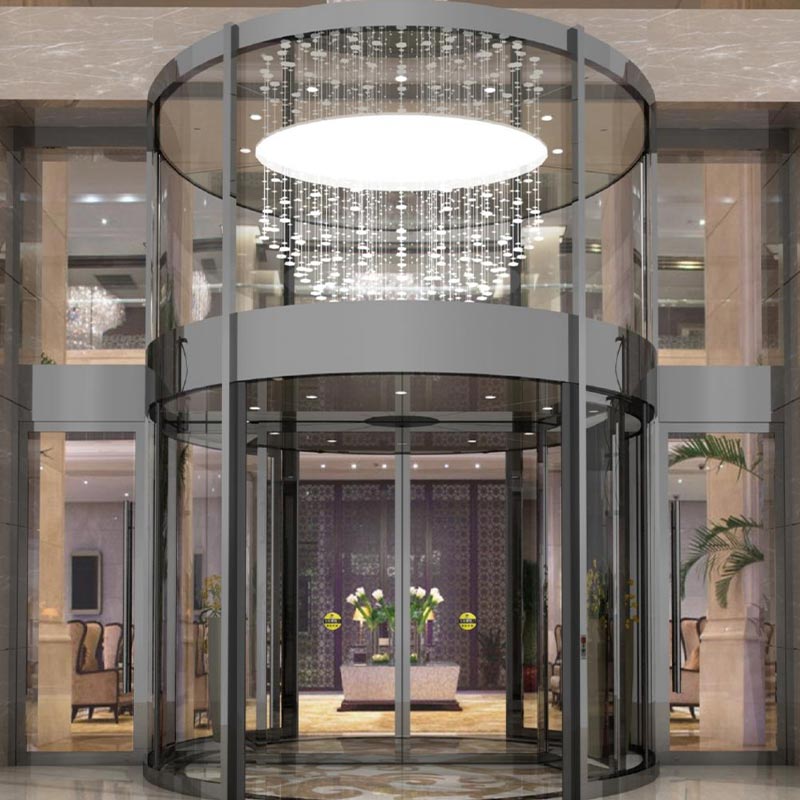
Automatic revolving doors have become a defining feature of modern commercial buildings, hotels, airports, hospitals, shopping centers, and office towers. They provide smooth pedestrian flow, improve indoor climate control, enhance building aesthetics, reduce energy consumption, and contribute to safety and accessibility.

This comprehensive guide explores how automatic revolving doors work, their advantages, key components, common applications, maintenance requirements, safety considerations, purchasing criteria, and future industry trends. Whether you are a property developer, architect, facility manager, or business owner, this article will help you make informed decisions when selecting the ideal automatic revolving door system.

 automatic revolving doors


What Is an Automatic Revolving Door?

An automatic revolving door is an entrance system consisting of rotating glass panels mounted around a central shaft. Unlike manual revolving doors, automatic models use advanced sensors, motors, and intelligent control systems to regulate rotation speed and movement.

The design allows pedestrians to enter and exit simultaneously while maintaining a continuous separation between indoor and outdoor environments. This unique characteristic significantly reduces unwanted air exchange, making automatic revolving doors one of the most energy-efficient entrance solutions available today.

Modern systems often combine elegant architectural design with sophisticated automation technologies, creating a premium entrance experience while improving operational efficiency.


How Does an Automatic Revolving Door Work?

Automatic revolving doors integrate multiple technologies to ensure smooth and safe operation.

Component Function
Motion Sensors Detect approaching pedestrians
Drive Motor Provides controlled rotation
Control System Manages speed and safety functions
Safety Sensors Prevent collisions and entrapment
Emergency Controls Enable immediate stop or breakout mode

When a person approaches the entrance, sensors activate the drive mechanism. The door rotates at a controlled speed while continuously monitoring user movement. If an obstruction is detected, the system slows down, stops, or reverses according to programmed safety parameters.


Why Are Automatic Revolving Doors So Popular?

Property owners increasingly choose automatic revolving doors because they address several operational challenges simultaneously.

1. Superior Energy Efficiency

Traditional entrance systems allow large volumes of conditioned air to escape whenever doors open. Automatic revolving doors maintain a constant seal between indoor and outdoor environments, reducing heating and cooling losses.

This results in:

  • Lower HVAC operating costs
  • Improved indoor temperature stability
  • Reduced carbon emissions
  • Enhanced occupant comfort

2. Enhanced Pedestrian Flow

Automatic revolving doors can accommodate high traffic volumes while minimizing congestion. Multiple users can enter and exit simultaneously, making them ideal for busy facilities.

3. Improved Building Appearance

A revolving door creates an impressive first impression. The elegant glass construction communicates professionalism, innovation, and architectural sophistication.

4. Better Noise Reduction

Continuous separation between exterior and interior spaces helps reduce noise infiltration from busy streets and transportation hubs.

5. Increased Security

Controlled access capabilities can be integrated with access control systems, surveillance equipment, and building security infrastructure.


Where Are Automatic Revolving Doors Commonly Used?

These systems serve numerous industries and facility types.

Industry Benefits
Hotels Luxury appearance and guest comfort
Office Buildings Energy savings and traffic management
Airports Efficient passenger movement
Hospitals Controlled environment and accessibility
Shopping Centers High-capacity entrance solution
Government Buildings Security integration and prestige

What Types of Automatic Revolving Doors Are Available?

Manufacturers offer several configurations to accommodate different architectural and operational requirements.

Three-Wing Revolving Doors

Provide large compartment spaces and comfortable pedestrian movement. Common in hotels and commercial buildings.

Four-Wing Revolving Doors

Offer balanced traffic flow and excellent environmental separation.

Two-Wing Revolving Doors

Suitable for larger objects such as luggage carts and wheelchairs.

Large-Diameter Revolving Doors

Designed for airports, convention centers, and major transportation facilities with exceptionally high traffic volumes.


Automatic Revolving Door vs Sliding Door

Feature Automatic Revolving Door Automatic Sliding Door
Energy Efficiency Excellent Moderate
Traffic Flow Very High High
Prestige Appearance Excellent Good
Weather Protection Superior Limited
Installation Cost Higher Lower

Which Features Should Buyers Consider?

Selecting the right automatic revolving door requires evaluating several important factors.

  • Traffic volume requirements
  • Building entrance dimensions
  • Energy-saving objectives
  • Accessibility compliance
  • Safety certifications
  • Glass quality and durability
  • Motor performance
  • Control system intelligence
  • Maintenance requirements
  • Customization options

Architects and facility managers should balance functionality, aesthetics, and lifecycle costs when evaluating suppliers.


How Do Safety Systems Protect Users?

Safety remains one of the most important considerations in revolving door design.

Modern automatic revolving doors incorporate multiple layers of protection:

  • Presence detection sensors
  • Anti-collision systems
  • Speed monitoring devices
  • Emergency stop buttons
  • Obstacle detection sensors
  • Pressure-sensitive safety edges
  • Emergency breakout mechanisms

These technologies help ensure safe operation for children, elderly users, individuals with disabilities, and people carrying luggage or equipment.


What Maintenance Is Required?

Routine maintenance significantly extends equipment lifespan and minimizes downtime.

Recommended maintenance activities include:

  • Inspecting sensors monthly
  • Cleaning glass surfaces regularly
  • Checking motor performance
  • Testing emergency functions
  • Lubricating mechanical components
  • Reviewing software diagnostics
  • Verifying alignment and balance

Preventive maintenance programs can help avoid unexpected failures and costly repairs.


What Factors Influence Cost?

The investment required for an automatic revolving door depends on several variables.

Factor Impact on Cost
Door Diameter Larger systems cost more
Glass Type Premium glazing increases price
Automation Level Advanced controls add value
Safety Features Additional sensors increase cost
Customization Unique finishes require higher investment

Although initial costs may exceed those of conventional doors, long-term energy savings often provide significant return on investment.


What Are the Future Trends?

The automatic revolving door industry continues to evolve through innovation.

  • AI-assisted traffic management
  • Smart building integration
  • Touchless operation systems
  • Advanced energy monitoring
  • Enhanced accessibility technologies
  • Sustainable materials and manufacturing
  • Cloud-based diagnostics and maintenance

Future systems will become more intelligent, connected, and environmentally responsible while providing improved user experiences.


Frequently Asked Questions

Q1: Are automatic revolving doors safe for children and elderly users?

Yes. Modern systems include multiple sensors and safety mechanisms that continuously monitor pedestrian movement and prevent accidents.

Q2: Can revolving doors reduce energy consumption?

Yes. Their design minimizes air exchange, helping maintain indoor temperatures and reducing HVAC workloads.

Q3: Are automatic revolving doors suitable for high-traffic locations?

Absolutely. They are specifically designed to handle large numbers of pedestrians efficiently.

Q4: How long does an automatic revolving door typically last?

With proper maintenance, high-quality systems can operate reliably for decades.

Q5: Can revolving doors be customized?

Yes. Manufacturers offer various sizes, finishes, glass options, lighting systems, and branding elements.

Q6: Do revolving doors improve building security?

Yes. They can integrate with access control systems, surveillance platforms, and building management systems.


Conclusion

Automatic revolving doors represent far more than an architectural statement. They are highly engineered entrance systems that enhance energy efficiency, pedestrian comfort, security, and building performance. Their ability to maintain climate separation while supporting continuous traffic flow makes them one of the most effective entrance solutions available for modern commercial facilities.

From luxury hotels and corporate headquarters to airports and healthcare facilities, automatic revolving doors continue to deliver measurable operational and environmental benefits. By carefully evaluating traffic demands, safety requirements, customization needs, and long-term maintenance considerations, organizations can maximize the value of their investment.


Ningbo OWNIC Technology Co., Ltd. is committed to delivering high-quality entrance automation systems designed to meet the needs of modern commercial buildings. Our experienced team can help you choose the ideal automatic revolving door configuration for energy efficiency, safety, aesthetics, and long-term performance.

Contact us today to discuss your project requirements, request technical information, or receive a customized quotation. Let us help you create an impressive, intelligent, and efficient entrance experience.


Related News
Leave me a message
X
We use cookies to offer you a better browsing experience, analyze site traffic and personalize content. By using this site, you agree to our use of cookies.Privacy Policy
RejectAccept