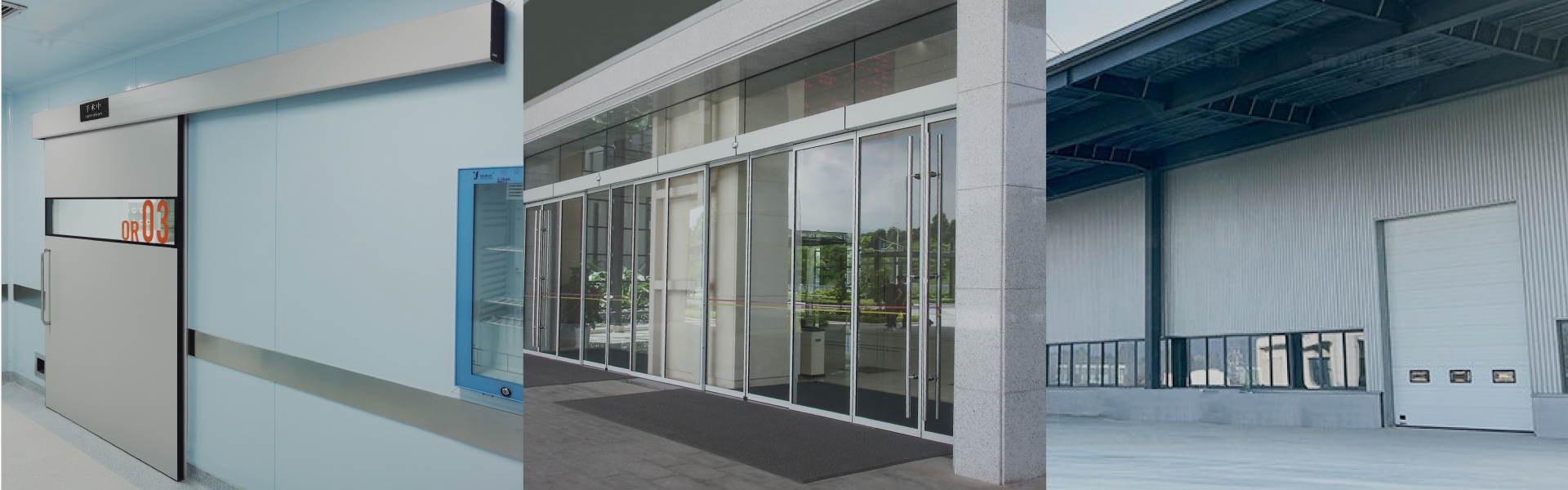
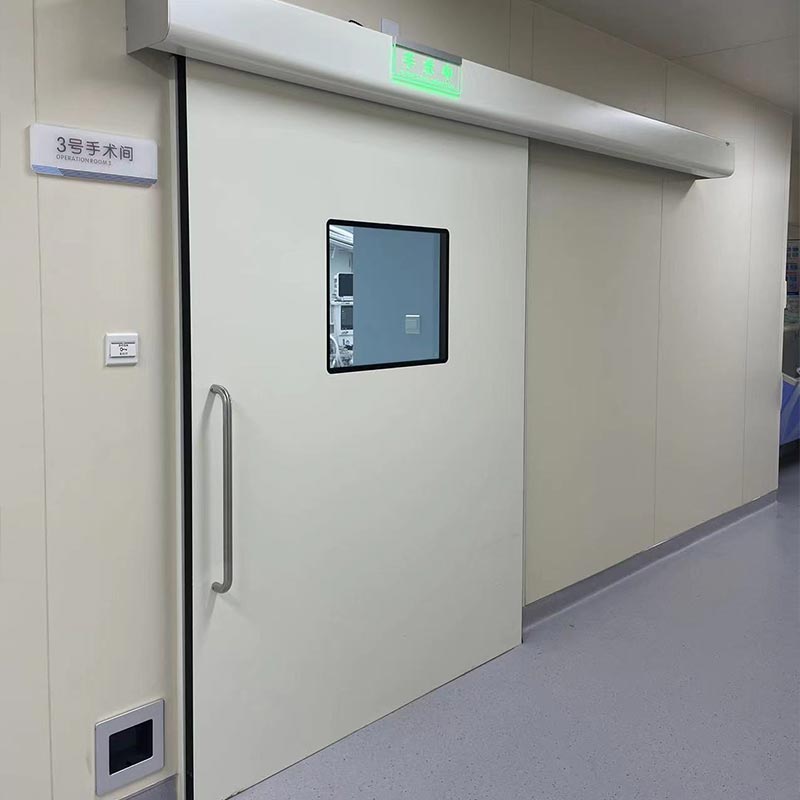
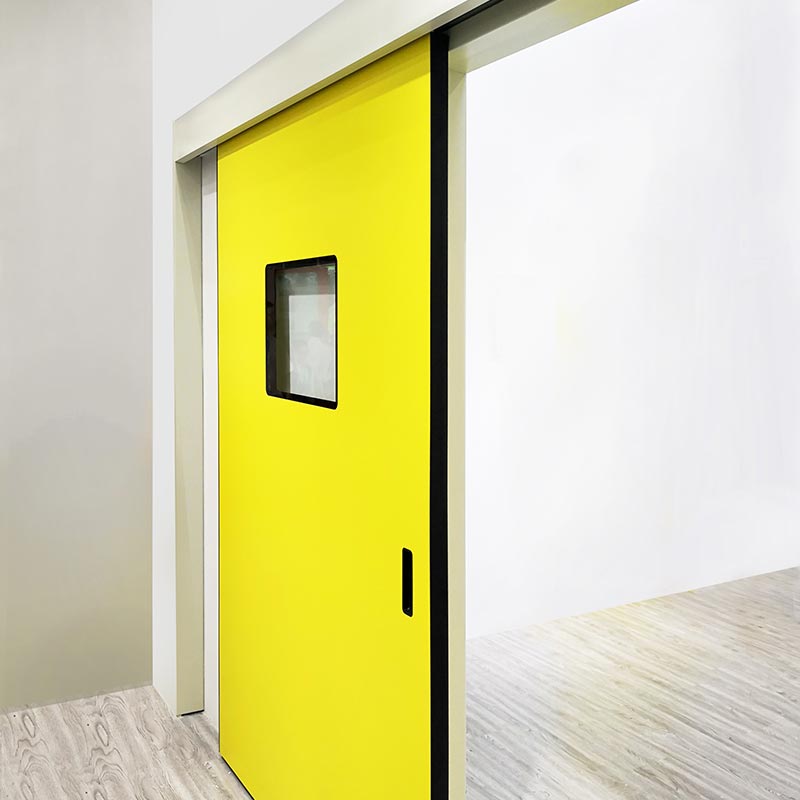
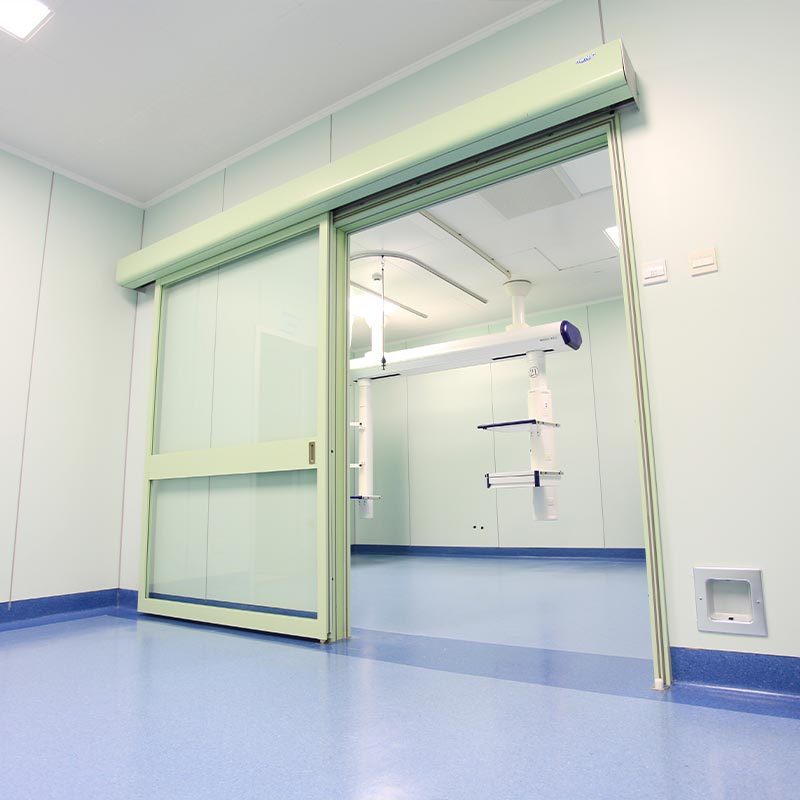
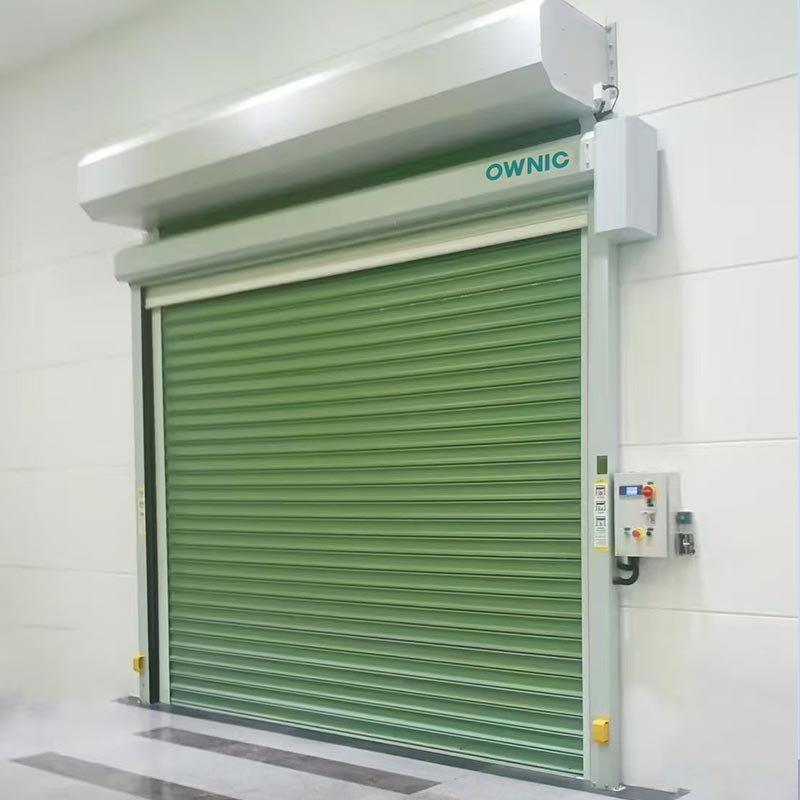
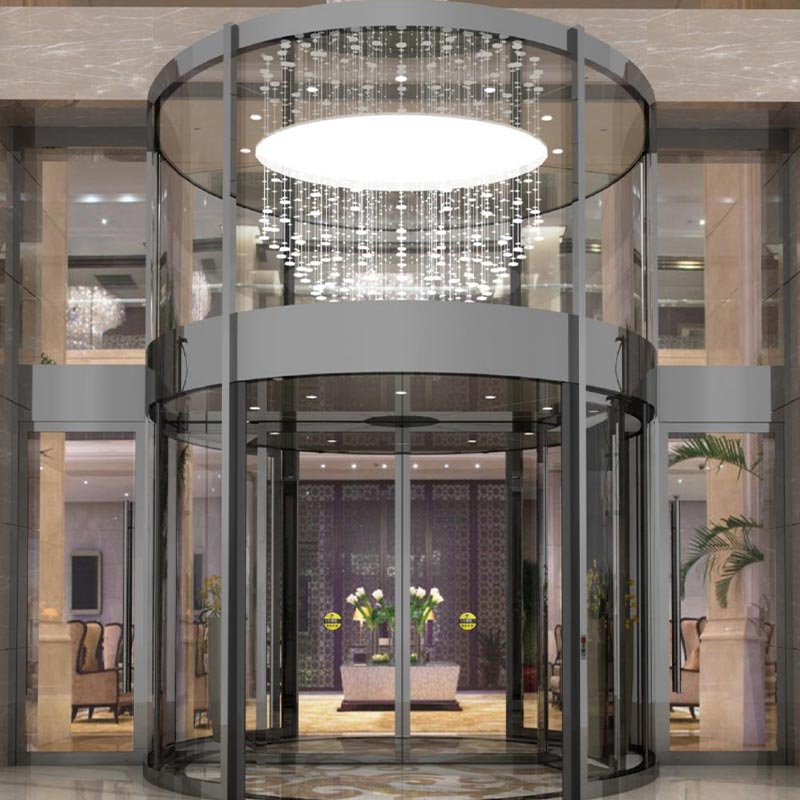
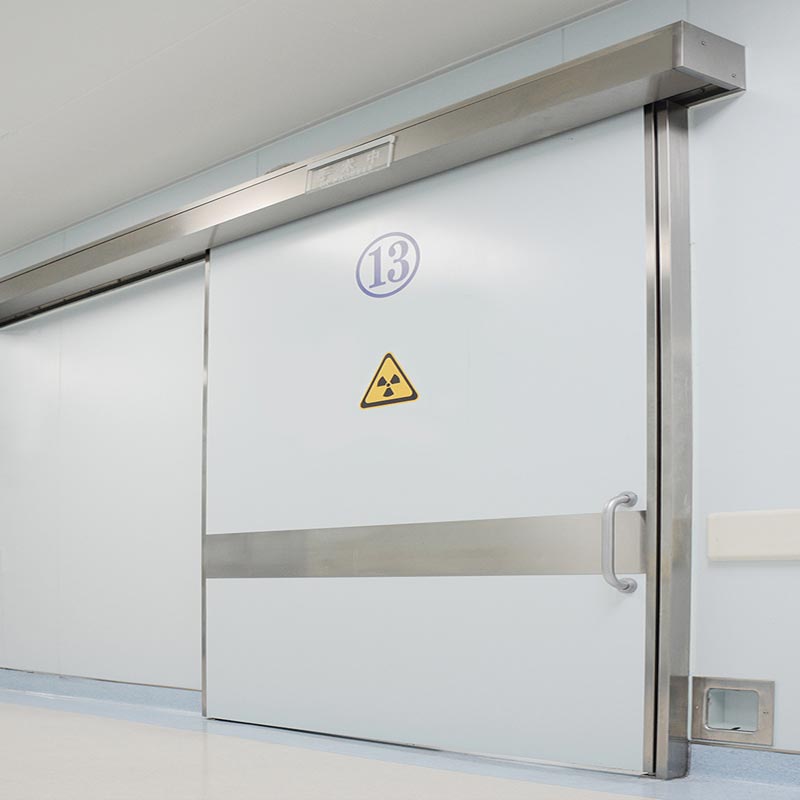
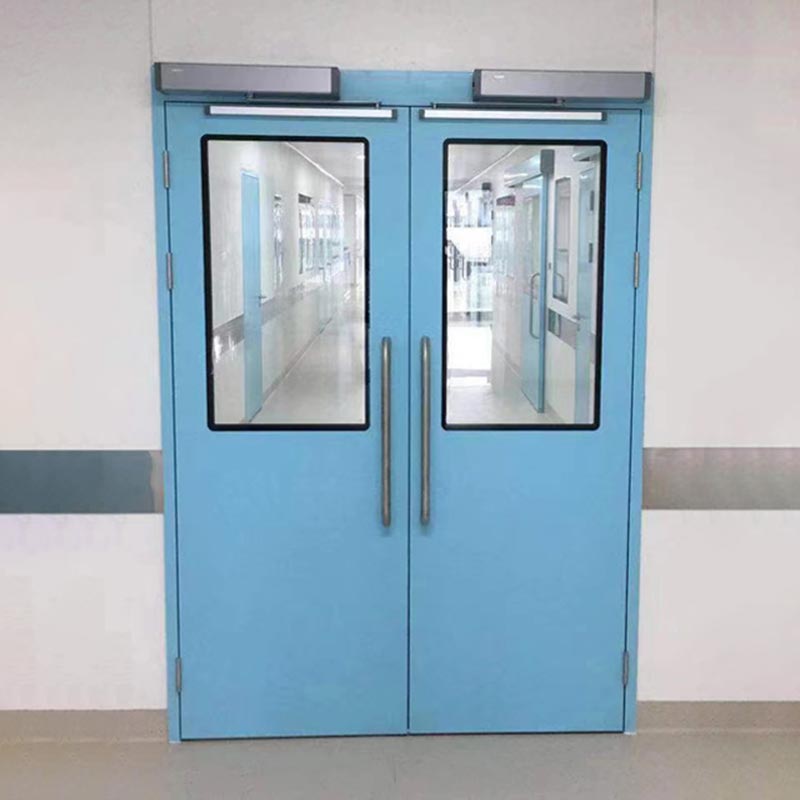
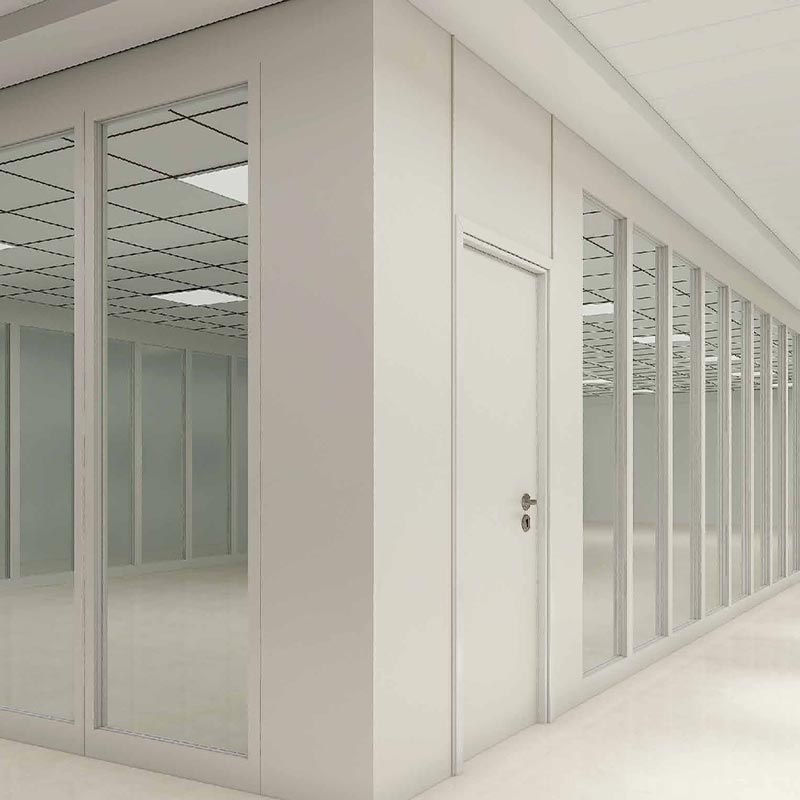
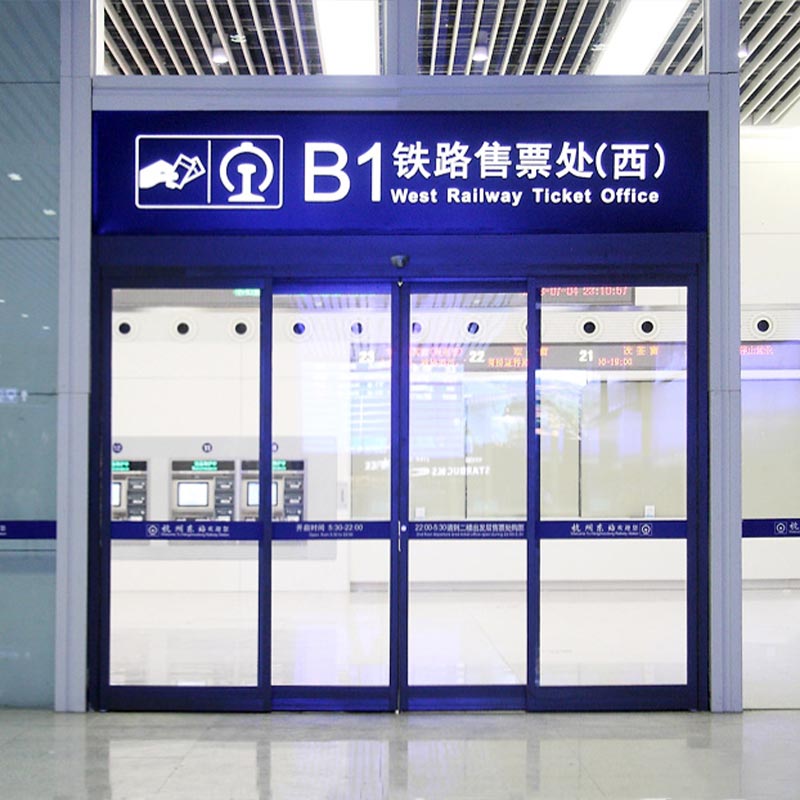
In addition to various types of automatic doors, OWNIC also offers manual doors—a fundamental yet reliable option within door systems. Our manual doors are suitable for applications in medical, industrial, and various commercial settings, and are available in a wide range of styles, including swing, folding, and sliding configurations.
Product Advantages
1. Cost Efficiency
Compared to automatic doors, manual doors feature no motors or control systems; consequently, their initial procurement cost is low, and they require no additional electrical installation. If your requirements do not call for automation—particularly in large-scale deployments where budget conservation is a priority—opting for an automatic door would constitute unnecessary "over-specification."
2. Simple Structure, Low Failure Rate
The core structure of a manual door consists solely of the door body and its hinges or tracks. Lacking complex electronic components, it is virtually immune to system failures, offering exceptional simplicity and stability.
Routine maintenance involves nothing more than inspecting the hardware components—a process that is both simple and cost-effective.
3. Power Independence
If your project site is prone to power outages, suffers from an unstable power supply, or is located in an area with no access to electricity, manual doors are the definitive choice, ensuring continued, normal operation even during power failures.
4. Flexible Installation
Since manual doors require no electrical wiring or control systems, their installation cycle is short. They are adaptable to a wide variety of building structures, thereby helping to accelerate project completion.
5. High Versatility
OWNIC offers a diverse range of door types—including swing, sliding, and folding models—that can be customized to meet specific requirements such as fire resistance or antimicrobial properties, ensuring broad applicability across a wide spectrum of projects.
Common Types
|
Types
|
Features
|
Typical Application Scenarios
|
|
Swing Door
|
Single or double leaf, pivoting on hinges
|
Offices, Residential Entrances, Hospital Wards
|
|
Sliding Door
|
Slides horizontally along a track
|
Space-Constrained Areas, Balconies, Storage Rooms
|
|
Folding Door
|
Multiple hinged leaves, folding open
|
Balconies, Room Dividers, Temporary Enclosures
|
|
Spring Hinge Door
|
Equipped with an integrated closing spring for automatic closure upon release
|
Fire Exits, Kitchens, Restrooms
|
|
Floor Spring Door
|
Features a floor-mounted hydraulic closer for smooth, automatic closing
|
Shopping Mall Entrances, Hotel Lobbies
|
Usage Guidelines
Although manual doors feature a simple structure, improper use can still lead to malfunctions. OWNIC offers the following recommendations to help you extend the service life of your door system and maintain its optimal performance.
1. Proper Opening and Closing Techniques
During daily operation, please avoid slamming the door open or shut with excessive force. Instead, apply even pressure when opening and closing. Forceful handling can easily lead to loose hinges and deformation of the door body.
2. Prevent Excessive Impact
While our doors feature impact-resistant designs, please make every effort to prevent the door body from striking walls or door frames. This is particularly critical in hospital environments, where the movement of patient beds and medical equipment can generate significant impact—potentially damaging not only the door but also vital medical apparatus.
3. Observe Weight-Bearing Limits
For manual doors used in industrial and medical settings—especially those located in office areas—please refrain from hanging heavy objects on the door. Additionally, ensure that children do not climb on or swing from the door body.
4. Keep the Opening Pathway Clear
Do not stack miscellaneous items in front of the door; the space required for opening must remain unobstructed. Any blockage could lead to subsequent collisions or damage.
5. Regular Hardware Inspections
Schedule periodic maintenance and inspections for your manual doors. Verify that hinges are secure and that locking mechanisms are functioning correctly. For sliding doors, specifically check that the guide rails operate smoothly, and promptly address any issues that arise.