OWNIC is a professional manufacturer and supplier of medical doors. We design functional door systems specifically for healthcare environments—including hospitals, clinics, and laboratories—engineered to withstand high-frequency usage while adhering to the highest standards of quality.
Why cannot ordinary doors be used in medical facilities?
|
Demand
|
Defects in Standard Doors
|
Medical Door Solutions
|
|
Infection Control
|
Porous surface, dirt trapped in seams
|
Fully Enclosed, Seamless Structure + Antibacterial Coating
|
|
Airtightness
|
Air is leaking through the door gaps, making it impossible to maintain negative pressure.
|
Triple Sealing Strips + Automatic Bottom Seal: Automatically Compresses Upon Closing
|
|
Accessibility
|
High starting force, high noise level.
|
Thrust ≤ 50 N (National Standard: 80 N); Operating Noise ≤ 45 dB.
|
|
Chemical Resistance
|
The paintwork has been corroded by disinfectant.
|
HPL High-Pressure Laminate / Stainless Steel / Antibacterial Resin Board (Resistant to Alcohol and Chlorine-based Disinfectants)
|
|
Silent Operation
|
Squeaking hinges, a resounding slam.
|
Damping Soft-Close Hinges + Silent Automatic Door Motor
|
|
Emergency Evacuation
|
Will not turn on after a power outage.
|
Manual Thrust Meets Standard + Fire Override (Normally Open)
|
What are the main types of medical doors?
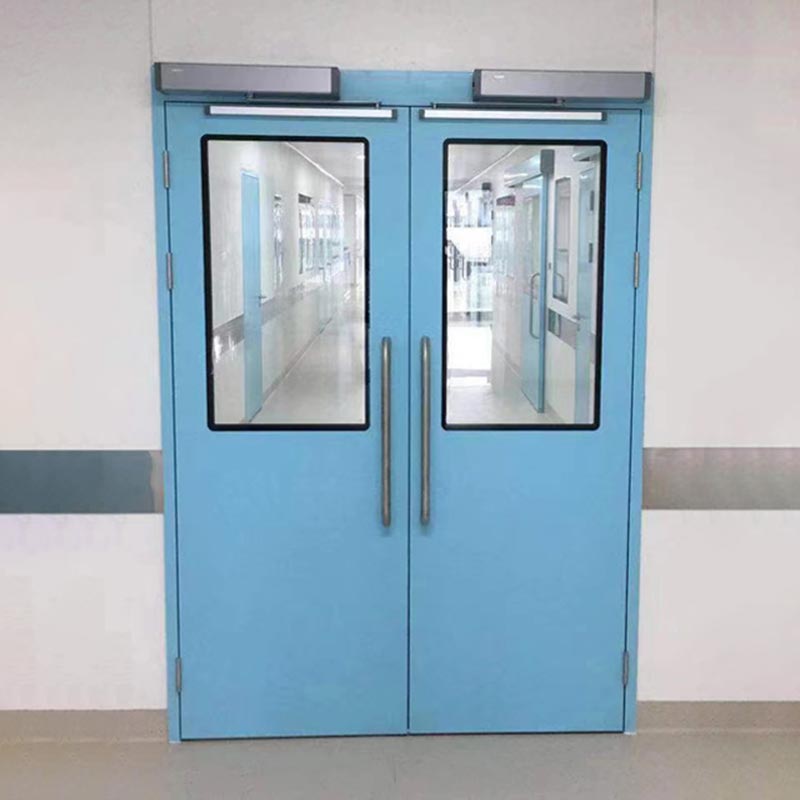
1. Automatic Medical Swing Doors
Applications: Patient wards, consultation rooms, ICUs, operating room buffer zones, etc.
Features: Equipped with non-contact sensors; outputs a "seal complete" signal once the door has fully closed; complies with GB/T 35484-2017 “General Technical Conditions for Automatic Medical Doors”.
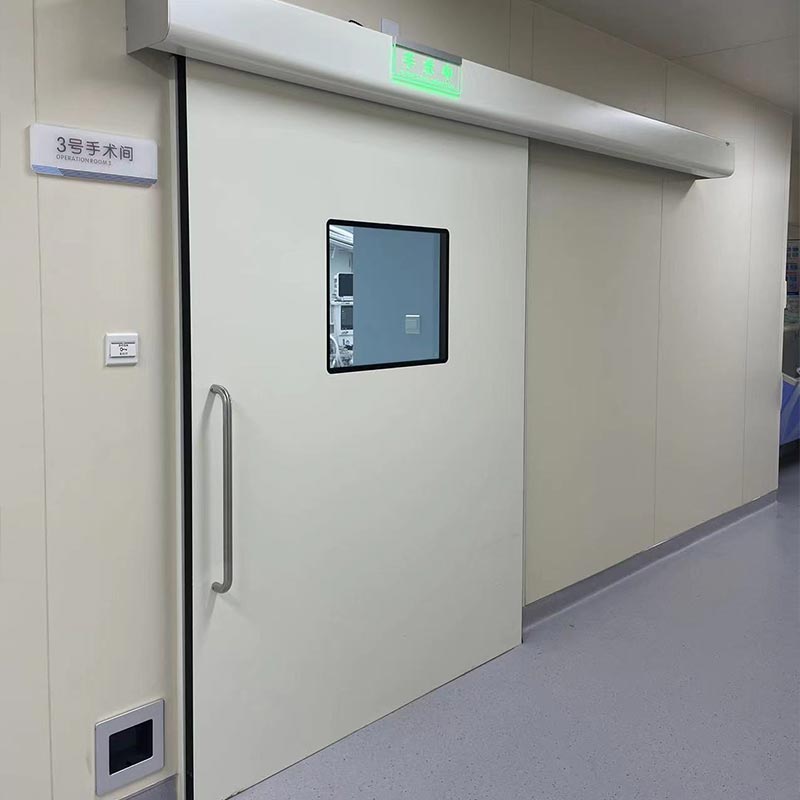
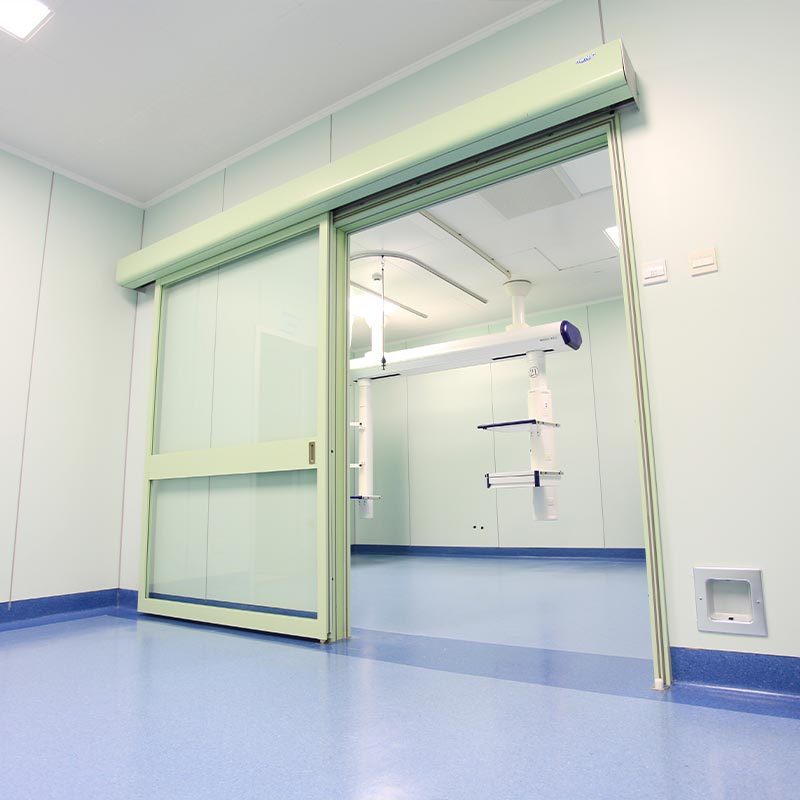
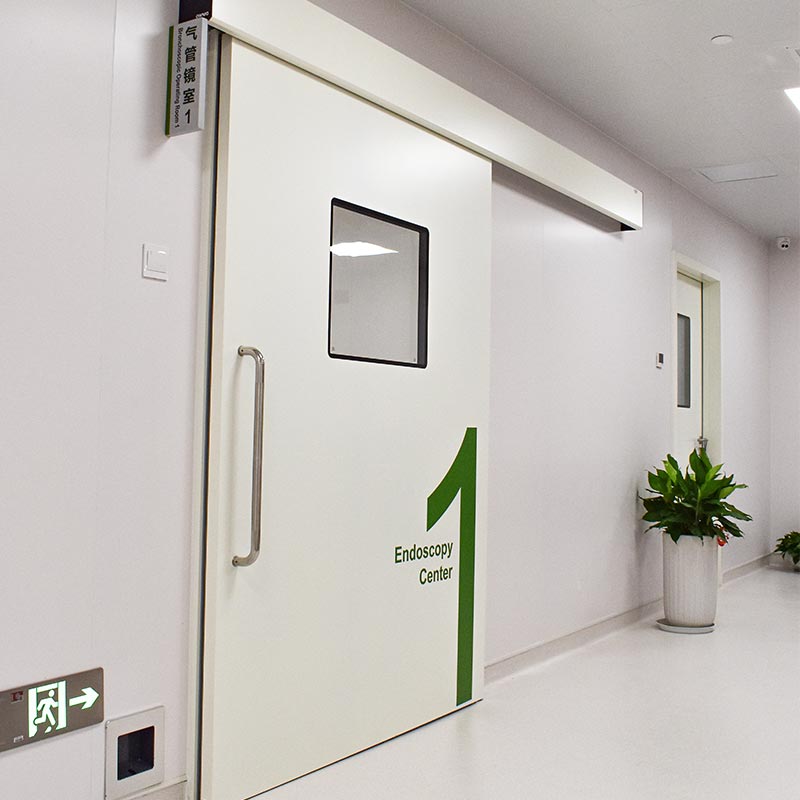
2. Automatic Hermetic Sliding Door
Applications: Laboratories, negative-pressure isolation wards, clean operating rooms, etc.
Features: High airtightness; equipped with a differential pressure sensor to monitor room pressure in real-time; features a dual electric/manual mode; can be manually pushed open in the event of a power failure.
3. Unequal Double Doors (Master-Slave Doors)
Applications: Areas requiring the passage of large equipment, such as MRI machines or hospital beds.
Features: The smaller leaf is used for daily pedestrian traffic, while the larger leaf is opened for emergencies or equipment transport; features a linkage-style door closer to ensure both leaves close simultaneously.
4. Radiation-Shielding Doors
Applications: Radiology departments, nuclear medicine departments.
Features: Internally embedded lead shielding (1–5 mm Pb equivalent); the door seams feature a "labyrinth" structure to prevent radiation leakage.
5. Fire-Rated Medical Doors
Applications: Fire-compartmented zones, pharmacies, oxygen storage rooms.
Features: Fire integrity rating of ≥1.5 hours (Class A); filled with a novel, eco-friendly fire-resistant core material to prevent fiber contamination.
How to Choose the Right Medical Doors?
Different areas within a hospital project require different types of doors, each possessing unique functions and advantages. Based on specific zones, we recommend the following options:
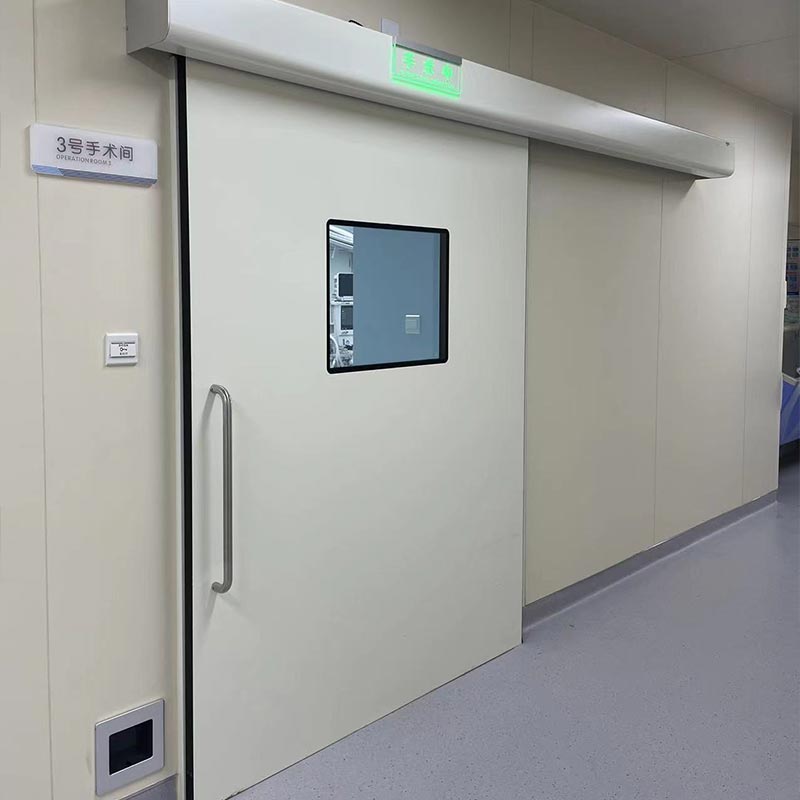
1. Operating Rooms & Cleanrooms
Recommendation: We recommend the Hermetic Sliding Door. It features high airtightness to prevent cross-infection, operates automatically to minimize physical contact, and can be seamlessly integrated with access control systems and sensors.
2. ICU (Intensive Care Units)
Recommendation: The ICU Automatic Sliding Door. Ideal for areas with frequent foot traffic, this door offers robust performance while operating quietly. It can be equipped with a viewing window, allowing for easy observation of the interior.
3. Patient Wards & Consultation Rooms
Recommendation: The Medical Swing Door. A product we have successfully implemented in numerous projects, this door features mature technology and a refined design. It is user-friendly, cost-effective, and offers excellent value.
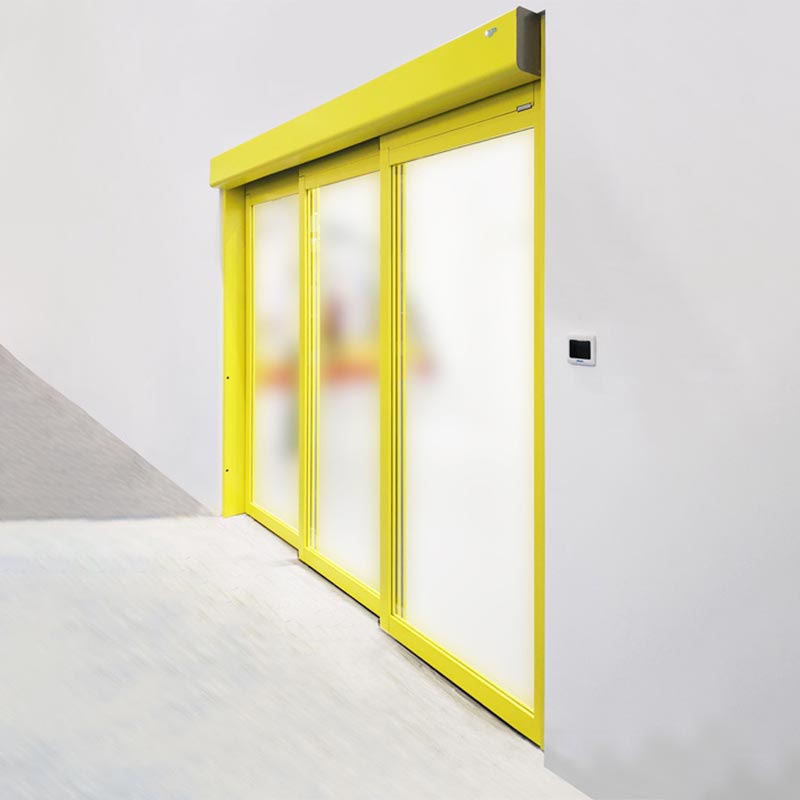
4. Hospital Public Areas
Recommendation: The Automatic Sliding Glass Door. While technically part of our commercial door series, this product serves as a vital solution for hospitals. It enhances traffic efficiency at main entrances and contributes to elevating the hospital's overall image.