News

News

Discover the Latest News About OWNIC in Our News and Press Area

How Does Medical Automatic Swing Door Improve Hospital Safety and Efficiency?

2026-04-23 0 Leave me a message

Medical Automatic Swing Doors have become an essential part of modern healthcare infrastructure, ensuring controlled access, hygiene maintenance, patient safety, and operational efficiency. This article explores their functions, advantages, technical principles, real-world applications, and how they solve critical challenges in hospitals, laboratories, and cleanroom environments. It also provides a detailed comparison with traditional door systems, installation considerations, maintenance insights, and industry use cases. Whether you are a hospital planner, facility manager, or medical equipment buyer, this guide will help you understand why automatic swing door systems are a long-term investment in safety and efficiency.

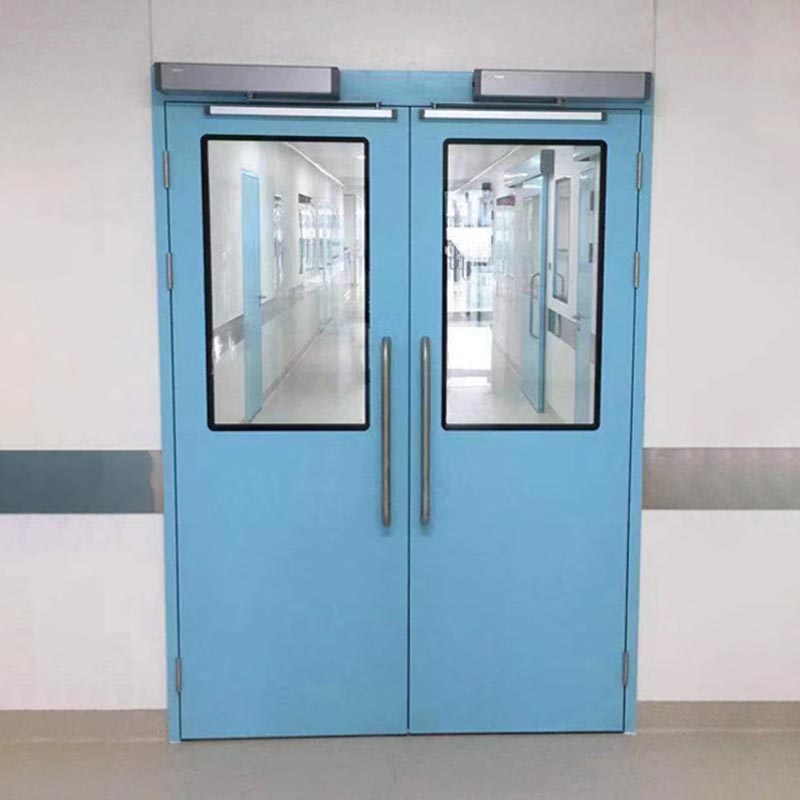
Medical Automatic Swing Doors


1. Introduction to Medical Automatic Swing Doors

Hospitals and healthcare environments demand a high level of hygiene, safety, and efficiency. Traditional manual doors often fail to meet these requirements due to contamination risks, slow access, and physical contact issues. This is where the Medical Automatic Swing Door plays a transformative role. Designed with advanced sensing technology and automation systems, it enables contactless entry and exit, reducing cross-contamination and improving workflow efficiency.

In high-pressure environments such as operating rooms, ICUs, laboratories, and isolation wards, every second and every hygiene control measure matters. Automatic swing doors are not just convenience tools—they are critical infrastructure components.


2. What is a Medical Automatic Swing Door?

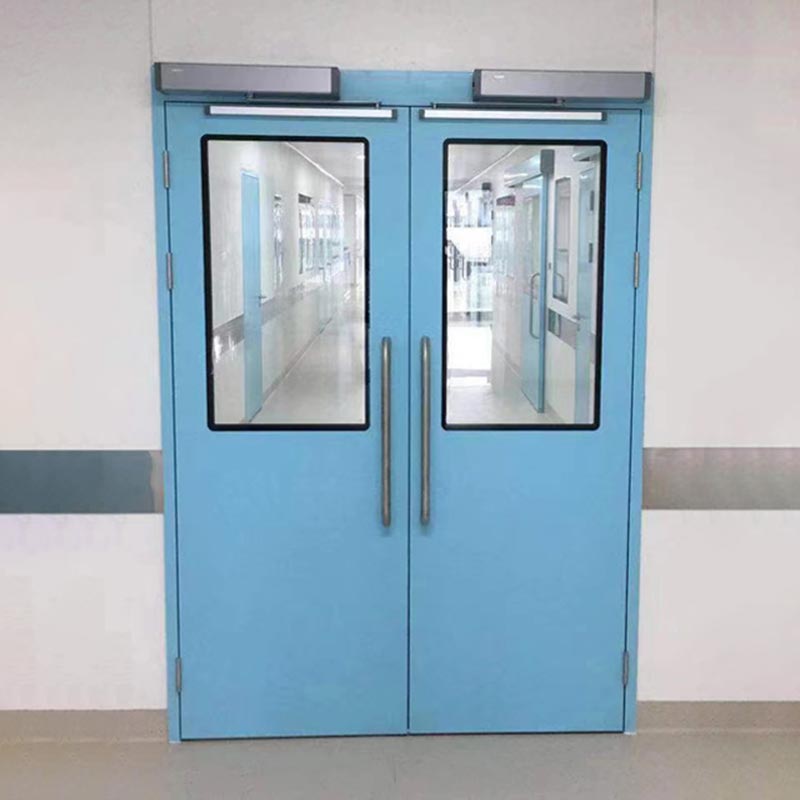
A Medical Automatic Swing Door is an intelligent door system that opens and closes automatically through sensors, motors, and control units. It is specifically designed for healthcare environments where hygiene control and controlled access are essential.

Unlike conventional doors, it eliminates the need for physical contact, reducing infection risks and improving accessibility for medical staff, patients, and equipment movement.

  • Infrared or motion sensors for detection
  • Silent motorized operation
  • Emergency manual override system
  • Stainless steel or antimicrobial surface options
  • Customizable access control integration

3. Key Features and Functional Advantages

The effectiveness of medical automatic swing doors lies in their advanced design and engineering features.

Feature Description
Touchless Operation Opens automatically via sensors without physical contact
Hermetic Sealing Option Ensures airtight closure for sterile environments
Quiet Motor System Reduces noise in sensitive hospital areas
Safety Sensors Prevents closing when obstruction is detected
Access Control Integration Compatible with hospital security systems

4. Major Benefits in Healthcare Environments

Medical facilities benefit significantly from installing automatic swing door systems. These benefits extend beyond convenience into safety and operational excellence.

  • Improved Hygiene: Minimizes hand contact, reducing infection spread.
  • Enhanced Workflow: Faster movement of staff and equipment.
  • Patient Safety: Prevents door collisions and accidental injuries.
  • Energy Efficiency: Controlled opening reduces air leakage.
  • Regulatory Compliance: Meets healthcare safety requirements.

5. Problems It Solves in Medical Facilities

Hospitals face several operational challenges that automatic swing doors directly address:

  • Cross-contamination from door handles
  • Delayed movement during emergencies
  • Air pressure imbalance in sterile rooms
  • Accessibility issues for disabled patients
  • Noise pollution in sensitive wards

By eliminating these pain points, medical automatic swing doors significantly enhance hospital efficiency and patient care quality.


6. Automatic vs Traditional Doors

Aspect Automatic Swing Door Traditional Door
Hygiene High (contactless) Low (frequent touch)
Speed Fast and automatic Manual operation required
Safety Sensor-based protection Human-dependent
Maintenance Moderate but predictable Low but less efficient

7. How the System Works

The working principle of a medical automatic swing door involves a combination of sensing technology, motorized drive systems, and intelligent controllers.

When a person approaches, sensors detect motion or presence. The control system activates the motor, which smoothly opens the door. After a preset delay, the door closes automatically unless another detection occurs.

Advanced models include safety edges, emergency backup power, and adjustable speed controls.


8. Application Scenarios

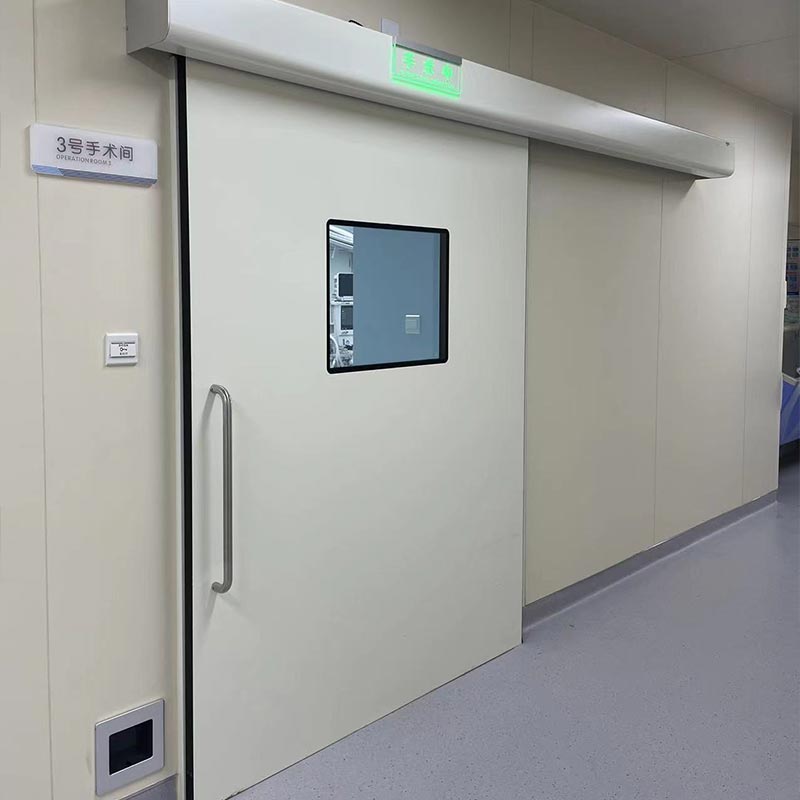
  • Operating rooms
  • Intensive Care Units (ICU)
  • Pharmaceutical cleanrooms
  • Laboratories
  • Isolation wards
  • Radiology departments

9. Safety and Compliance Standards

Medical automatic swing doors must comply with strict healthcare safety and building regulations. These include fire safety standards, infection control guidelines, and accessibility requirements.

High-quality systems, such as those developed by Ningbo OWNIC Technology Co., Ltd., are engineered to meet international medical facility standards and ensure long-term operational reliability.


10. Installation Considerations

Proper installation is critical for performance. Key considerations include:

  • Door frame alignment accuracy
  • Sensor placement optimization
  • Power supply stability
  • Environmental conditions (humidity, air pressure)
  • Integration with hospital systems

11. Maintenance and Longevity

Regular maintenance ensures long service life and stable performance. Recommended practices include:

  • Routine sensor calibration
  • Motor lubrication checks
  • Cleaning of sliding or swing mechanisms
  • Software system updates (if applicable)

12. Cost and Investment Analysis

While the initial investment for automatic swing doors is higher than traditional doors, long-term savings are significant due to reduced maintenance costs, improved energy efficiency, and lower infection risks.

Hospitals often consider it a strategic infrastructure upgrade rather than a simple equipment purchase.


13. Common Selection Mistakes

  • Choosing low-quality sensors
  • Ignoring door weight compatibility
  • Improper environmental assessment
  • Neglecting after-sales support

14. Industry Case Insight

A mid-sized hospital integrated medical automatic swing doors across surgical and ICU departments. The result was a measurable improvement in workflow efficiency and a significant reduction in contamination incidents.

The project was supported by Ningbo OWNIC Technology Co., Ltd., providing customized door solutions tailored to hospital operational needs.


15. Future Development Trends

The future of medical automatic swing doors will include AI-based motion prediction, energy-efficient systems, and deeper integration with hospital smart infrastructure. Touchless environments will become the global standard in healthcare facilities.


16. Frequently Asked Questions

Q1: Are medical automatic swing doors suitable for all hospital areas?
Yes, especially for high-sterility and high-traffic zones such as ICUs and operating rooms.

Q2: Do they require frequent maintenance?
Maintenance is minimal but regular inspections are recommended for optimal performance.

Q3: Can they integrate with hospital security systems?
Yes, they support access control and security integration.

Q4: Are they energy efficient?
Yes, they reduce air leakage and help maintain controlled environments.


17. Conclusion and Contact

Medical Automatic Swing Doors represent a critical advancement in healthcare infrastructure. They enhance hygiene, improve efficiency, and support modern hospital workflows. As healthcare environments continue to evolve, these systems will remain essential for safe and efficient operations.

For high-quality solutions and customized medical door systems, Ningbo OWNIC Technology Co., Ltd. provides professional-grade products designed for global healthcare applications.

Contact us today to learn more about how our medical automatic swing door solutions can upgrade your facility’s safety, hygiene, and operational efficiency.


Related News
Leave me a message
X
We use cookies to offer you a better browsing experience, analyze site traffic and personalize content. By using this site, you agree to our use of cookies. Privacy Policy
Reject Accept